
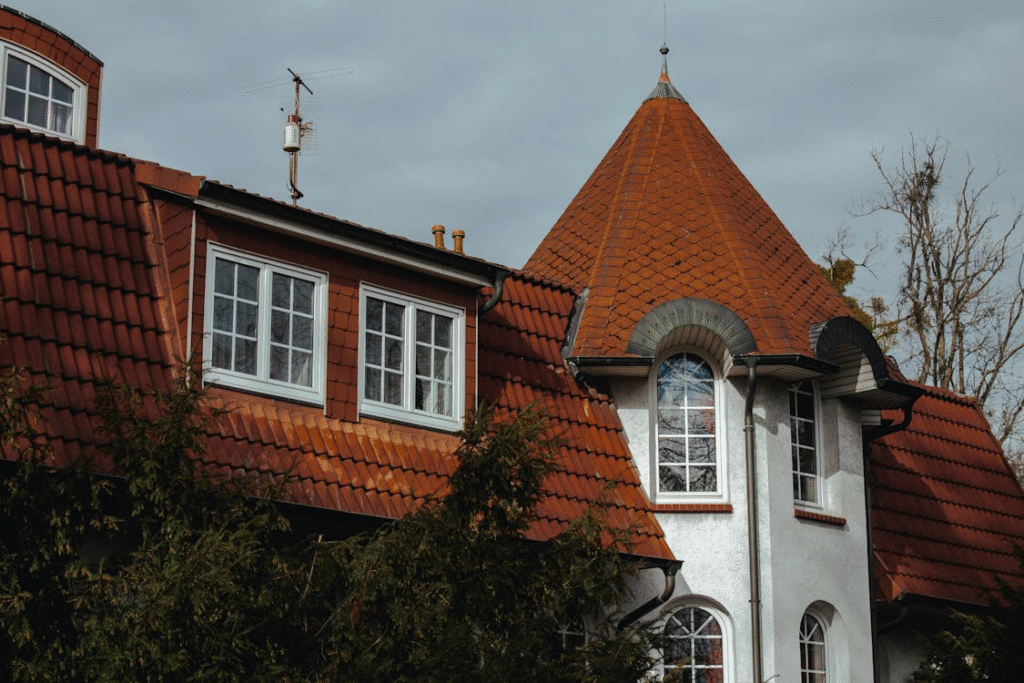
Most business owners don’t think about their roof until water is dripping onto their server rack or staining the drop ceiling tiles in the break room. By that point? The damage has been quietly compounding for months, sometimes years. A blocked drain, a hairline crack, a flashing seal that’s been pulling loose since last winter. None of these look catastrophic at first. Then the repair invoice arrives.
Research puts a sharp number on this problem: 75% to 80% of all construction-defect disputes trace back to roof failures, and more than 70% of construction litigation involves water intrusion. Scheduling roof maintenance before things go sideways isn’t just cautious, it might be the single highest-return operational decision a business owner can make.
The Real Financial Case for Commercial Roof Inspections
Let’s talk money, because that’s what usually moves the needle.
Proactive inspections are not overhead bloat. Done right, they function more like a savings engine, catching problems while they’re still cheap, keeping your maintenance budget predictable, and wringing years of extra useful life out of a roof that would otherwise fail ahead of schedule.
Catching Problems Early Before They Get Expensive
Picture this: a loose flashing detail found during a routine commercial roof inspection costs maybe $300 to address.
Leave that same defect undetected through one rainy season and you’re potentially looking at saturated insulation, compromised decking, and damaged interior finishes. That’s a five-figure repair, easily. The math doesn’t require a spreadsheet to understand.
Stretching Roof Lifespan by Decades
This is the part that surprises most people. Regular roof inspection services can extend a commercial roof’s useful life by 25–30%. For a large facility, that might mean deferring a full replacement by a decade or more, a difference that runs into hundreds of thousands of dollars when you account for materials, labor, and business disruption during installation.
Treating your roof like a managed asset instead of a forgotten utility changes everything about its financial trajectory.
Keeping Warranties Intact and Budgets Honest
Documented preventative roof maintenance keeps manufacturer warranties enforceable. Without those records, a warranty claim can get denied on a technicality, and what should’ve been a covered repair becomes an unexpected capital expense. Inspections also give facility managers real data to work from, which turns “vague dread about the roof” into a concrete, plannable line item.
What’s at Stake Beyond the Balance Sheet
Money matters, but a failing roof threatens more than your renovation budget.
Disruptions You Can’t Afford
Water intrusion during a busy Tuesday afternoon doesn’t just wreck your flooring. It can force closures, destroy inventory, and create slip hazards that expose you to liability claims. Routine inspections push those scenarios from “likely eventually” to “genuinely rare.” That’s not a small thing.
Insurance Compliance is Non-Negotiable
Many commercial property insurers require documented maintenance history to honor claims. A business owner without inspection records might find their claim reduced, or rejected outright. Regular inspections create the paper trail that insurers want, and you’ll be glad it exists the one time you actually need it.
Energy Costs You’re Probably Ignoring
Degraded roof seams and failing penetrations quietly drive up your utility bills. Air leakage through building envelopes across the U.S. accounts for roughly 4 quads of energy annually, costing approximately $10 billion per year. Identifying thermal weak spots during an inspection helps reduce HVAC strain before it shows up on your monthly energy statement.
Inspection Technology and What It Means for San Jose Businesses
San Jose isn’t just any commercial real estate market. The Bay Area’s sprawling mix of tech campuses, industrial facilities, and retail properties means roofing decisions here carry real financial weight. Businesses operating in this region have seen measurable results by working with providers who specialize in commercial roofing in San Jose professionals who combine genuine knowledge of local climate patterns with modern inspection capabilities.
Drone Technology Has Changed Everything
High-resolution aerial imagery can identify membrane breaches, ponding water patterns, and flashing failures that a traditional walkthrough might completely miss, and it does so without putting workers at unnecessary risk at height. That documentation also becomes useful leverage during insurance claims and warranty disputes. It’s hard to argue with photographic evidence from 40 feet up.
Timing Your Inspections Around Bay Area Weather
Biannual is the right cadence here, once before the rainy season, once after. That rhythm catches storm damage early and confirms the roof is sealed and ready before the next wet stretch arrives. Skip either window and you’re leaving real vulnerability exposed.
The Zones Where Failures Actually Start
Valleys, flashings, and roof edges bear the most weather stress. These transition zones are where failures almost always begin. Even a minor separation at a flashing joint can allow significant water intrusion, the kind that quietly saturates insulation for months before anyone notices.
What Does This Actually Cost?
The cost of roof inspection stays modest compared to what it prevents. Proactive programs typically run $0.06–$0.20 per square foot annually. Reactive repairs? Those average $0.18–$0.28 per square foot, and that’s before interior damage enters the picture.
| Approach | Annual Cost/Sq Ft | Risk Level | Roof Lifespan Impact |
| Proactive Inspection Plan | $0.06–$0.20 | Low | Extended by 25–30% |
| Reactive Repair Only | $0.18–$0.28 | High | Shortened significantly |
| No Maintenance | Minimal upfront | Very High | Premature failure |
IFMA’s FMJ puts it bluntly: every $1 of deferred maintenance left unaddressed can balloon into $4–$7 in future capital expenses. That multiplier effect is the real argument for consistent inspection programs. The returns are real, but only if the program is structured and repeatable.
Building a Maintenance Strategy That Actually Works
Inspections are foundational. A full maintenance strategy is what turns that foundation into year-round protection.
Schedule in spring and fall. Spring catches whatever winter left behind. Fall confirms the roof is sealed before rains begin. It’s a simple rhythm that fits San Jose’s climate and keeps surprises genuinely rare.
Document everything. Every inspection should cover membrane integrity, roof drains, flashings, and penetrations. Written condition reports and photos create a maintenance history that supports warranty claims, insurance filings, and realistic capital planning.
Work with people who know the region. Certified contractors who understand local permit requirements and Bay Area weather patterns bring something beyond technical competence, they bring relevant context. That combination makes every inspection more actionable.
Frequently Asked Questions
What does a commercial roof inspection cost in San Jose?
Generally $300–$700 depending on roof size and complexity. Drone-assisted inspections may run slightly higher but deliver richer documentation.
Do inspections actually extend roof life?
Yes, well-maintained commercial roofs regularly last 25–30% longer than neglected ones.
Can skipping inspections void my warranty?
Often, yes. Many manufacturers require documented maintenance to honor claims.
What’s the ROI?
Significant. Proactive programs cost less annually than reactive repairs and sidestep the $4–$7 deferred-maintenance multiplier entirely.
How do I choose the right contractor?
Certified, locally experienced, strong references, clear reporting process. Photo documentation and written reports are non-negotiable.
Don’t Wait for the Leak to Prove the Point
A neglected roof doesn’t just age, it quietly bleeds your budget, disrupts your operations, and shortens its own lifespan. Regular inspections flip that dynamic completely. They transform a reactive, unpredictable expense into something manageable and measurable. When you honestly weigh the cost of water damage, emergency repairs, and premature replacement against the modest price of a consistent inspection schedule, the decision isn’t complicated. It’s just a matter of making it before the ceiling starts dripping.