
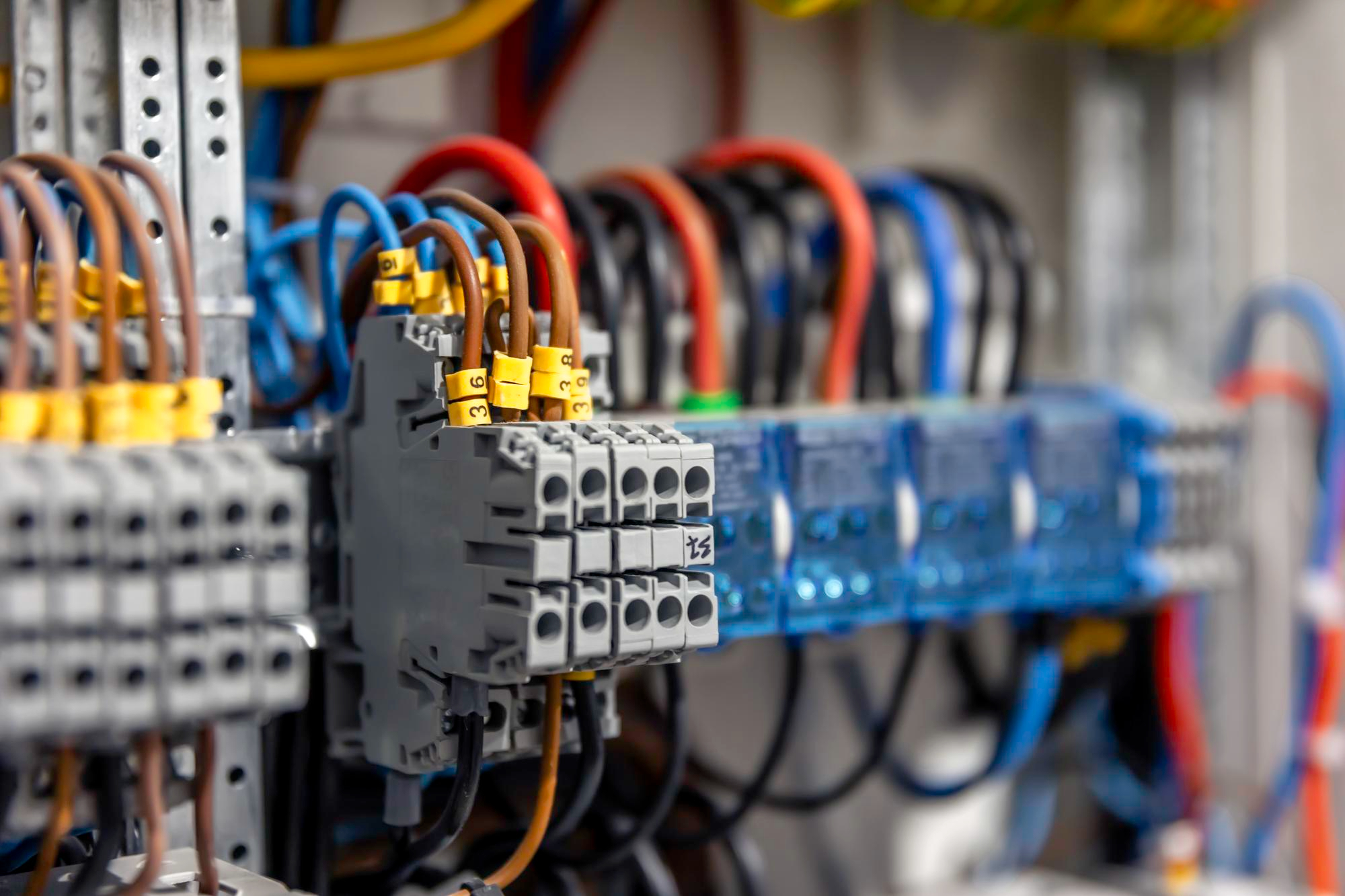
Delays in production, unplanned downtime, and unreliable communication between machines can silently suck the efficiency out of your manufacturing process. With the increased automation and data-driven processes, even the slightest disruptions in the network can cause a cascading effect on the entire production line.
You might already be making use of connected systems, sensors, and controllers, but without a trusted networking foundation, you are not fully able to realize their full potential.
This is where the industrial-grade networking infrastructure is needed.
In contrast to the regular networking devices, the specialized solutions are made to be resistant to the harsh environment without compromising on the steady performance. Consequently, they directly affect productivity, safety, and operational control.
This article will discuss the role of industrial switches in facilitating efficiency in manufacturing and the importance of these switches in contemporary industrial setups.
1. Steady Network Performance under Adverse Conditions
The moment you incorporate industrial switches into your production system; you enhance network stability. These are not like traditional switches and can be used in very hot temperatures, high vibration, and dusty or humid environments.
Consequently, your production line will stay operational without interruptions from environmental factors. In addition, the regular availability of the network will guarantee that automated systems and monitoring tools are not lost.
Such dependability minimizes unforeseen downtime. Or, in turn, you would be able to keep production schedules more efficiently and prevent expensive delays. This continuity, over time, creates a reliable operating environment that facilitates stability and efficiency in the long run.
2. Improved Real-Time Data Communication
Real-time data exchange between machines, sensors, and control systems is a vital part of efficient manufacturing. Industrial switches can support high data traffic with low latencies.
Thanks to this, you will be able to monitor operations in real time and quickly react to any anomalies. Also, a smooth flow of information enhances the coordination of the production phases.
This also leads to smoother and more predictable workflows. This coordination enhances production and the quality of the products. Moreover, enhanced data flow enhances more sophisticated analytics, which can assist you in establishing patterns and performance optimization constantly.
3. Enhanced Network Security and Control
The more interconnected manufacturing systems are, the more susceptible they are to cyber threats. Industrial switches offer enhanced security that aids in securing your network.
To illustrate, they assist VLANs, access control, and secure authentication protocols. As a result, you are able to partition your network and limit unauthorized access.
Additionally, improved control will enable you to prioritize important traffic of data. This guarantees that important operations are not affected by any bandwidth limitations. Moreover, enhanced security reduces the occurrence of expensive breaches and loss of operations.
4. Scalability for Expanding Operations
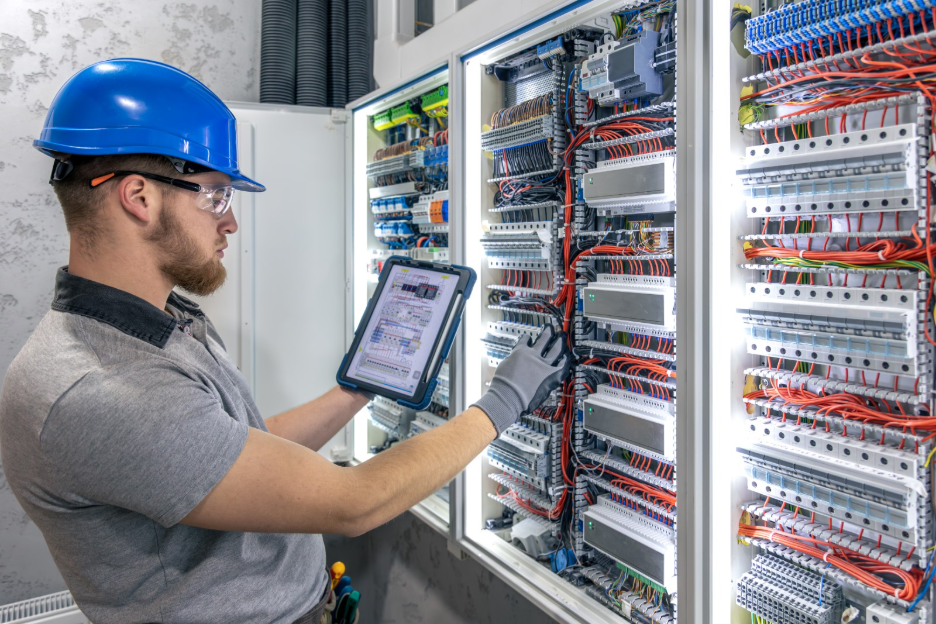
With the expansion of your manufacturing operation, your network needs to be expanded as well. Industrial switches are scalable, which means that you can add devices without affecting performance.
This allows you to easily combine new technologies like IoT devices and automated machines. In addition, expansion is possible with modular configurations.
Rather than completely upgrading your infrastructure, you can incrementally scale, saving costs and causing minimal disruption. This will also enable your business to respond promptly to the dynamics of the market and production needs.
5. Less Maintenance and Operational Costs
Routine repairs may have an effect on your operation budget. The switches used in industries are designed in such a way that they are durable and therefore less servicing is needed than in normal devices.
They are durable in the sense that they can be used for a long time without breaking down due to their rough nature. This lessens upkeep requirements and downtime.
Also, there are fewer problems with the network, which results in reduced costs of repair. In the long run, these savings enhance cost-effectiveness. Consequently, you will be able to invest in innovation and process enhancement rather than repairing all the time.
6. Better Integration With Automation Systems
Modern manufacturing depends on automation technologies such as PLCs and industrial IoT devices. Industrial switches are designed to integrate seamlessly with these systems.
This compatibility ensures smooth communication between components. As a result, processes become more streamlined and efficient.
Furthermore, support for industrial protocols enables faster deployment and easier integration. Consequently, production becomes more consistent and accurate. This level of integration also enhances flexibility in managing complex manufacturing workflows.
7. Enhanced Monitoring And Network Visibility
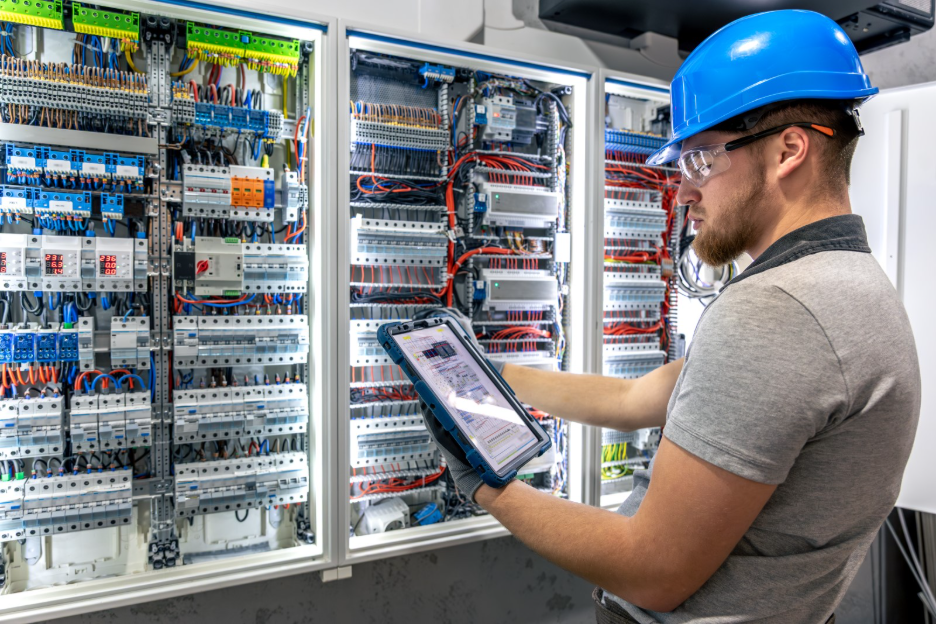
Understanding your network performance is essential for maintaining efficiency. Industrial switches often include advanced monitoring and diagnostic features.
These capabilities allow you to track performance, identify bottlenecks, and detect issues early. As a result, you can take proactive steps to maintain optimal operations.
Additionally, improved visibility supports better decision-making and long-term planning. By continuously monitoring your network, you ensure that your manufacturing processes remain efficient and aligned with production goals.
Final Thoughts
Manufacturing efficiency depends on the strength of your network infrastructure. Industrial switches ensure reliable communication, real-time data flow, and secure operations. By improving network stability, enabling scalability, and reducing maintenance costs, they create a strong foundation for modern manufacturing systems.
Moreover, their seamless integration with automation technologies enhances productivity and operational control. As operations grow more complex, having a resilient and adaptable network becomes increasingly important.
Industrial switches not only support current production demands but also prepare your systems for future advancements. By prioritizing efficient connectivity and long-term reliability, you position your operations for consistent performance, reduced downtime, and sustained success in an increasingly competitive industrial environment.