
A lot of people are not bad at work. They are just running on low energy. They sit too long. They sleep badly. They feel stiff by midday. Then they blame themselves for losing focus. That is why the idea of productivity is starting to change. It is not only about doing more. It is also about feeling good enough to do your work without dragging yourself through the day.
The Old Way of Being Productive Wore People Down
For years, productivity advice sounded the same. Get up early. Stay disciplined. Push through. Keep going.
That kind of advice still shows up everywhere. But it misses something obvious. Work does not happen in your calendar. It happens in your body too.
When the body feels off, work feels heavier. A simple task takes longer. A normal meeting feels draining. Small problems feel bigger than they are. That is not always about attitude. Sometimes it is just what happens after too much sitting, too much screen time, and too little movement.
That is why the old model feels tired now. It treated rest like a reward. It treated discomfort like something to ignore. It praised output, even when the cost was too high.
More people are pulling back from that. They still want to do good work. They just do not want the workday to leave them feeling wrecked.
Feeling Better Is Not a Soft Idea
Some people still hear this topic and think it sounds vague. It is not vague at all. It is actually very practical.
Feeling better can mean a few simple things:
- Less back and neck tension by lunch,
- Better focus in the late afternoon,
- More patience in meetings,
- Less of that drained feeling after work,
- More energy left for life outside the job,
Those are not small wins. They change how the whole day feels.
A lot of workers try to fix bad energy with work tools. They try a new planner. They make tighter schedules. They add more rules to the day. Sometimes the real fix is much more basic. The body needs support. Moving regularly can make a difference. It can be used to help with stress, sleep, and better thinking during the day.
Why Low-Impact Movement Fits Real Life Better
Not every adult wants a hard workout before or after work. A lot of people already feel tired. They are not looking for another thing that leaves them wiped out.
That is one reason low-impact movement is getting more attention. It is easier to stick with it over time. The workout can still feel challenging, but not in a harsh way. That is part of why
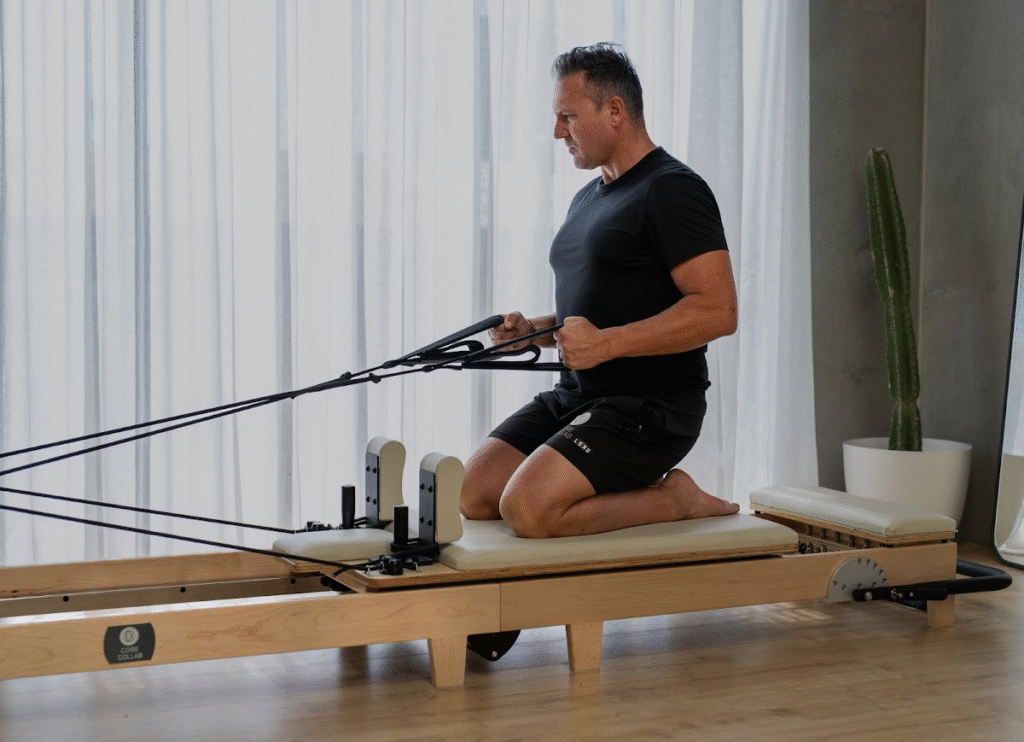
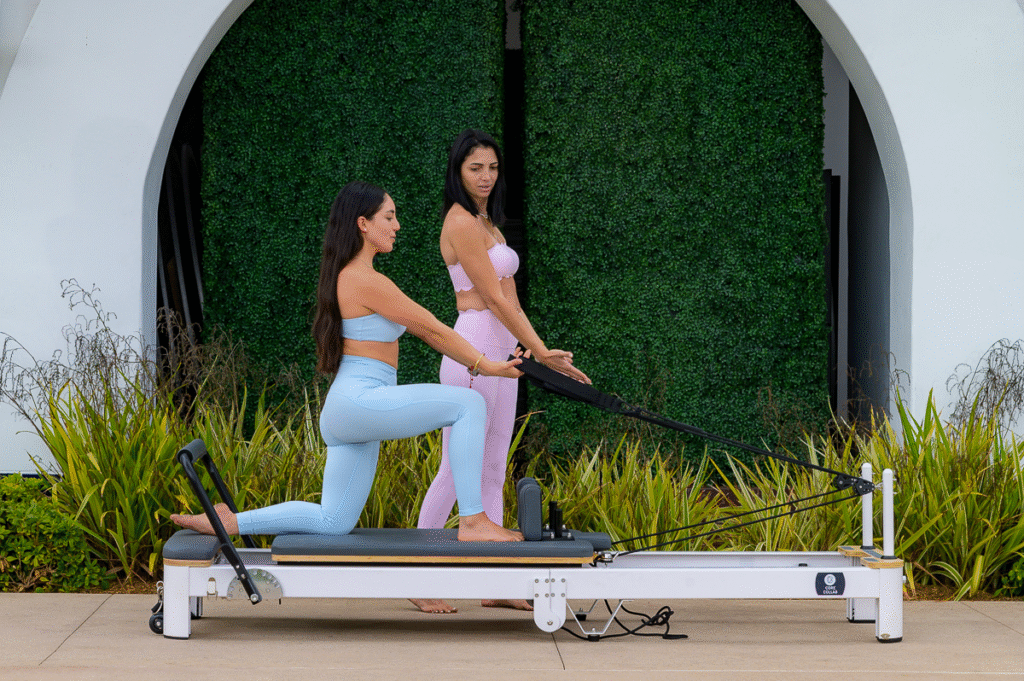
Pilates works so well for busy adults. The reformer adds resistance through springs and controlled movement. That lets the workout focus more on strength, posture, balance, and flexibility, which is often helpful for people who spend hours sitting at a desk.
Controlled movement can feel like the opposite of that. It can help people feel more open, steadier, and less stuck in their own bodies. The point here is not to turn into a fitness person. The point is to stop feeling terrible halfway through the workday.
Convenience Matters More Than People Admit
This is where a lot of routines fall apart. The habit itself may be good, but the setup around it is too annoying.
Getting to a class takes time. So does driving back. Then work runs late, plans change, and the routine starts slipping. After a while, people stop because it feels like too much effort to even begin.
That is why home-based movement has become more appealing. Not because people want perfect home gyms. Most of them do not. They just want fewer steps between the plan and the action.
Foldable and portable reformers are built around that kind of reality. They are made to save space, store more easily, and fit into smaller homes or mixed-use rooms. They still include the key parts of a traditional reformer, but in a setup that works better for home use.
For someone trying to make movement part of a busy week, a practical Pilates machine setup can feel more realistic than waiting for the perfect class slot. That kind of choice is not about luxury. It is about removing friction so the routine has a better chance of sticking.
Harder Is Not Always Smarter
There is also less pressure now to always choose the hardest option. That is probably a healthy change.
A lot of people were taught to respect the workout that hurts most. Sweat more. Push harder. Feel destroyed after. That style works for some people, but not for everyone.
For many working adults, the smarter goal is not to get flattened by a session. It is to feel stronger and clearer after moving. That is one reason reformer Pilates keeps coming up more often. It usually feels slower, more controlled, and easier on the body than higher-intensity machine workouts.
That difference matters. A routine that supports the body can also support better work. A routine that drains the body can make an already heavy week feel worse.
Better Work Starts Earlier Than the To-Do List
A lot of productivity problems start before the laptop even opens. They start with bad sleep. Too much sitting. A stiff body. A restless mind. No real break between stress and work.
That is why the newer productivity shift feels more grounded. It is not asking people to be perfect. It is asking them to notice what helps them function better. Sometimes that means moving more. Sometimes it means changing the setup around the day. Sometimes it means choosing forms of exercise that feel easier to return to on an ordinary Tuesday.
That is the part many people were missing before. Good work is not only about discipline. It is also about support.
People do better work when they are not fighting their own bodies all day. That may not sound flashy, but it is probably the most useful productivity lesson going right now.