
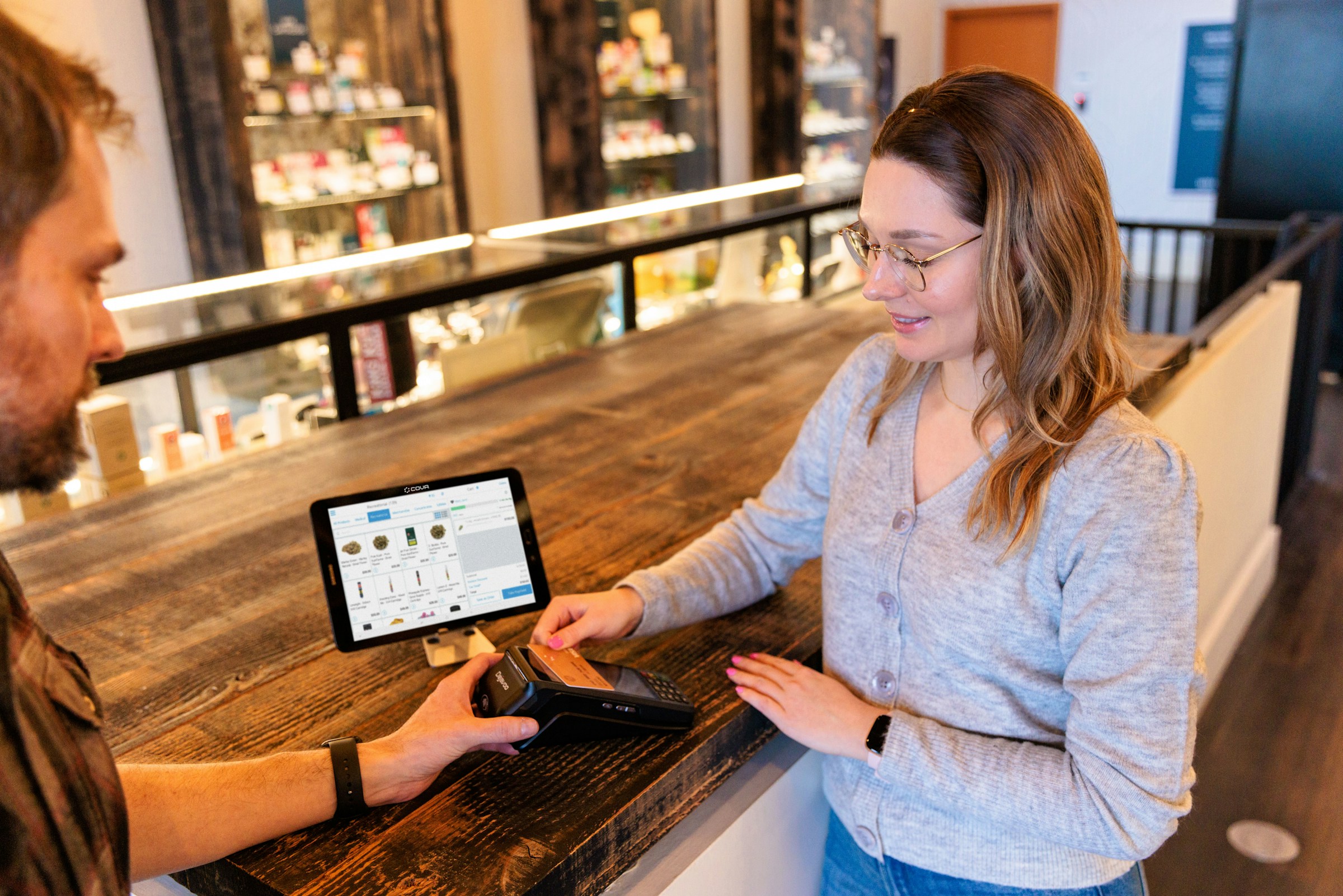
As your business grows, keeping smooth and efficient operations becomes a top priority. Streamlining tasks not only helps reduce costs but also allows your team to focus on handling complex or specialized tasks that require a human touch. One way to achieve this is by introducing self-service kiosks in your store. These machines allow customers to check out products, place orders, and even pay without staff assistance, giving your personnel the freedom to work on higher-value tasks.
Although self-service kiosks are still relatively new in the Philippines, now is the perfect time to explore how they can benefit your business. When implemented thoughtfully, these kiosks can speed up transactions and create a smoother shopping experience that keeps customers coming back.
To help you make the most of this technology, we’ve put together practical tips for successfully introducing self-service kiosks in your retail store.
1. Choose a Compatible Payment Gateway
If your kiosks allow customers to place orders and pay directly, selecting the right payment gateway is essential. Look for one that supports multiple payment methods, including credit and debit cards, mobile banking apps, e-wallets, and QR code payments. In fact, many customers now prefer the QR code payment Philippines’s trusted stores offer, as it allows them to scan the code with their phone instead of counting cash or waiting for change.
Partnering with a reliable provider like Maya Business minimizes technical issues and ensures transactions run smoothly. With a dependable payment system, you can build customer confidence and ensure that your kiosks operate efficiently without constant staff supervision.
2. Identify Key Tasks for Automation
Not every store process should be automated. Start by identifying tasks that take significant staff time or slow down the customer journey, such as product lookup, order placement, and checkout. By focusing on high-impact tasks, customers will find it easier to complete basic transactions quickly and efficiently.
Automating these processes also frees up employees to concentrate on more complex or personalized tasks, such as answering detailed questions or assisting customers with specific needs. Balancing automation with human support ensures efficiency without losing the personal touch that helps build lasting customer loyalty.
3. Opt for a User-Friendly Kiosk Software
The software interface of a self-service kiosk is just as important as the hardware itself. Choose a system that is simple yet intuitive, with large buttons, clear icons, and step-by-step instructions. These elements will make it easier for customers to navigate the kiosk without assistance, even on their first visit.
A good interface can also display promotions or recommended products, encouraging additional purchases. When the software is easy to use, it reduces errors and creates a smoother overall shopping experience, leaving a positive impression of your store.
4. Position Kiosks Strategically in Your Store
Placement plays a major role in whether customers use your kiosks. Install them in high-traffic, visible areas while avoiding congested corners or pathways that could block other shoppers. Provide enough space for queues, and add proper lighting and signage to draw attention to the kiosks.
Strategically positioned kiosks not only make the shopping experience more convenient but also help improve overall store flow. When customers can easily see and access the kiosks, they’re more likely to use them, which helps reduce lines and enhances the efficiency of your operations.
5. Train Your Staff to Support Kiosk Use
While self-service kiosks are designed for independent use, staff support remains important. Train employees to assist customers who may be unfamiliar with the technology and to troubleshoot minor issues quickly. Staff should also keep the kiosks clean and report any technical problems promptly.
Having knowledgeable staff nearby encourages customers to use the kiosks confidently. Their guidance helps reduce hesitation, maximizes the benefits of your kiosks, and ensures the technology works as intended while maintaining a positive and personal customer experience.
6. Test Before Full Deployment
Before rolling out kiosks across your store, conduct a pilot test. Observe how customers interact with the system and gather feedback if they encounter any usability issues. Testing early helps uncover bottlenecks, interface problems, and any technical glitches before a full launch. A well-tested system reduces customer frustration and improves adoption rates, thus increasing the likelihood that your kiosks will enhance efficiency rather than create new challenges.
7. Maintain and Monitor Your Kiosks
Regular maintenance is key to keeping self-service kiosks reliable. Always check that hardware is functioning properly and software is up-to-date with security patches and the latest database of prices, promotions, and product availability. Consistent upkeep prevents downtime that could frustrate customers and reflect poorly on your store.
At the same time, continuously track how the kiosks are being used by collecting data on transaction times, frequently used features, and common issues. Monitoring performance and making updates as needed ensures your kiosks continue to provide value as an effective part of your store operations.
Modernize Your Store Today with Self-Service Technology
Self-service kiosks offer a modern way to make shopping faster and more convenient for customers while helping your team work more efficiently. With the help of the tips above, you can introduce this technology to your store without fear of operational hiccups, ensuring a seamless experience for both your staff and your customers. Embracing self-service kiosks today goes a long way toward making day-to-day operations more efficient and future-proofing your store for evolving customer expectations.