
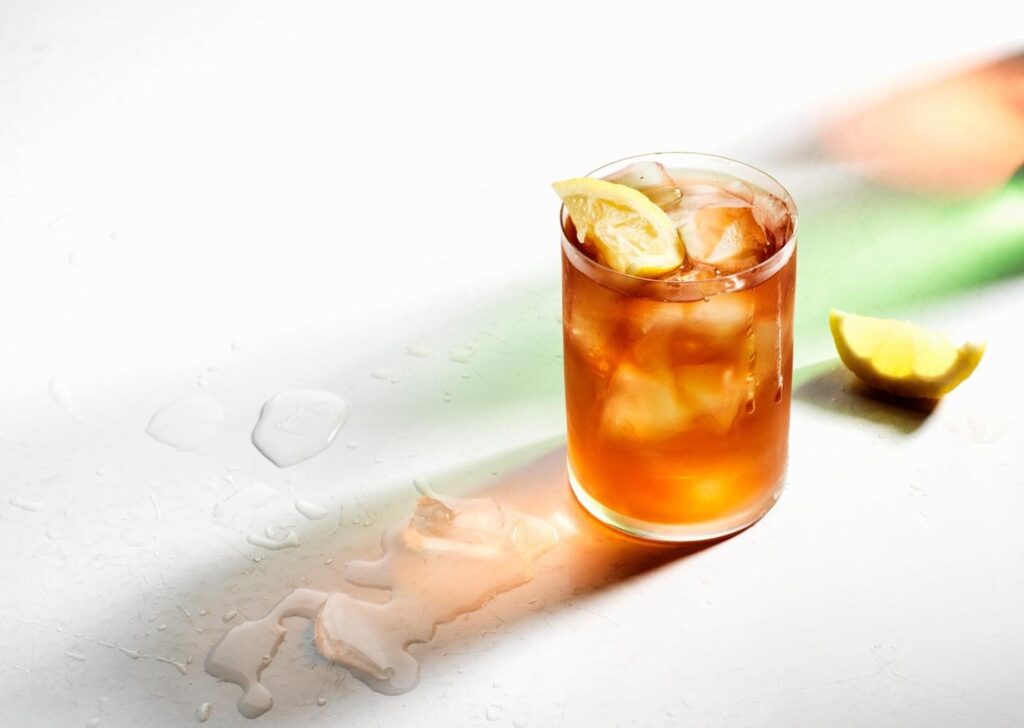
(photo credit: Microsoft Stock Images)
A beverage’s temperature influences far more than refreshment. Consumers often make purchasing decisions based on visual cues, comfort, and expectations before taking the first sip. The appearance of a chilled drink, the feeling of a cold bottle, and the environment in which it is displayed all contribute to how people perceive quality and value. Businesses that recognize these behavioral patterns can create stronger retail experiences while encouraging customer satisfaction.
Temperature Creates Expectations
People naturally associate cold beverages with freshness, cleanliness, and immediate satisfaction. This response is especially noticeable during warm weather, after exercise, or while traveling. A chilled bottle covered in condensation sends a visual signal that the drink is ready to enjoy, making it appear more refreshing than the same product displayed at room temperature.
These expectations develop through repeated experiences. Consumers learn to associate colder beverages with comfort and relief, making temperature an important part of perceived product quality. Retailers that consistently maintain proper serving temperatures reinforce these positive expectations every time a customer makes a purchase. Keeping beverages properly chilled also helps preserve the experience consumers anticipate when selecting a particular product.
Visual Presentation Influences Purchasing Decisions
The way beverages are displayed affects how shoppers interact with them. Clean shelving, organized product placement, and clear pricing help customers compare options quickly while creating an impression of quality and reliability.
Lighting also contributes to product appeal. Bright, even lighting allows labels and packaging to stand out while making refrigerated displays appear inviting. Transparent cooler doors encourage browsing because customers can easily see available options before opening the door.
Product placement matters as well. Popular beverages positioned at eye level or near checkout areas often receive more attention than products located in less visible locations. Small adjustments to display organization can influence purchasing behavior without changing the products themselves.
Temperature Changes Flavor Perception
Serving temperature affects how consumers experience flavor. Cold beverages often taste crisper, while warmer temperatures may make sweetness or other flavor notes more noticeable. Carbonated drinks also tend to maintain their carbonation better when served cold, contributing to the texture and mouthfeel many customers expect.
Because temperature changes sensory perception, beverage producers frequently recommend serving products within specific temperature ranges. Businesses that maintain these recommendations create a more consistent customer experience while reducing the likelihood of disappointment after purchase. Consistency becomes particularly important for customers who purchase the same beverage regularly and expect it to taste the same every time.
Equipment Supports the Customer Experience
Maintaining proper beverage temperatures requires dependable refrigeration equipment. Uneven cooling can affect both product quality and customer satisfaction, particularly during busy sales periods when cooler doors are opened frequently.
When evaluating commercial refrigerators for sale, businesses often compare factors such as temperature consistency, storage capacity, energy efficiency, lighting, and product visibility. Reliable equipment helps preserve beverage quality while supporting attractive product displays that encourage customer purchases.
Routine maintenance is equally valuable. Clean condenser coils, functioning door seals, and accurate temperature controls help refrigeration systems perform efficiently while protecting inventory.
Small Details Leave Lasting Impressions
Customer decisions are influenced by many subtle factors working together. Beverage temperature, display organization, lighting, cleanliness, and convenience all contribute to the overall shopping experience. Even details such as easy access to refrigerated products or organized shelving can affect how customers perceive a business.
Retailers that regularly evaluate these elements often identify opportunities to improve customer satisfaction without making major operational changes. Observing shopping patterns, gathering customer feedback, and monitoring product performance all provide valuable information for future improvements.
The psychology of cold drinks demonstrates that successful retailing extends beyond the beverage itself. Creating an environment that consistently delivers freshness, quality, and convenience helps businesses strengthen customer confidence while encouraging repeat purchases. Thoughtful attention to presentation and temperature allows retailers to support both product quality and long-term customer loyalty. Look over the infographic below to learn more.
