
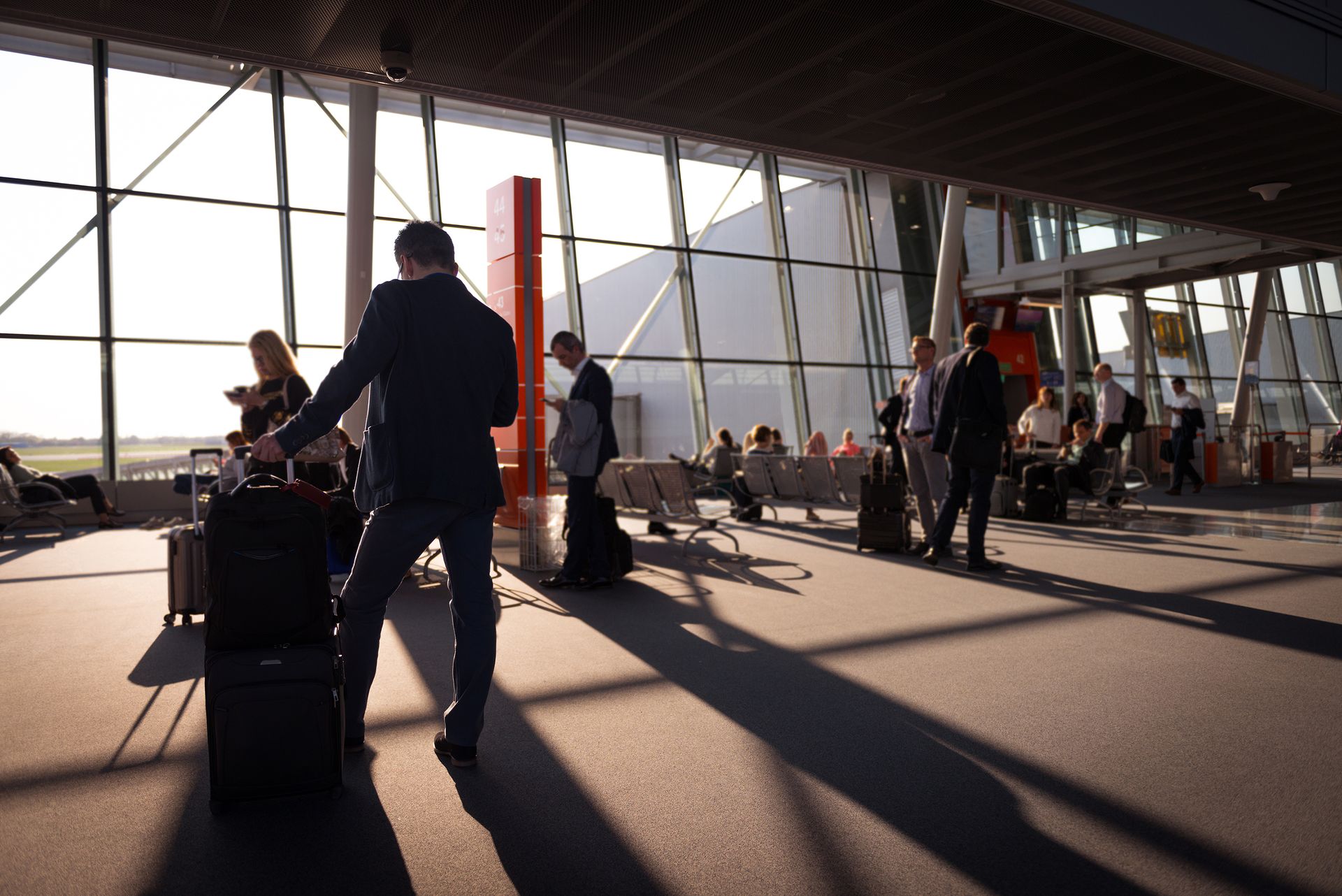
If you’ve ever traveled for a meeting that lasted less than the journey itself, you’ll know how quickly business travel can consume an entire day. Security queues, delayed departures, traffic, and long airport waits have become accepted as part of working life, even though they significantly reduce productivity and take away from personal time.
The good news is that smarter planning can make a noticeable difference. Whether you’re traveling occasionally or every week, making better decisions about how and when you travel can help you spend less time in transit and more time doing work or living your life.
Time Is Often the Biggest Travel Expense
While businesses usually compare flight prices and hotel rates, the biggest cost often goes unnoticed: employee time. Every hour spent waiting in an airport or sitting in traffic is an hour that can’t be used for meetings, planning, or personal commitments.
This is where exploring more efficient alternatives such as a private jet charter can make sense for high-value or time-sensitive journeys. Rather than following fixed airline schedules, businesses can choose departure times that fit around meetings instead of the other way around.
Imagine a consultant traveling from London to Frankfurt for a morning presentation. A low-cost commercial flight might seem like the most economical choice, but an early arrival at the airport, security checks, baggage collection, and transfers can easily turn a short meeting into a twelve-hour commitment. Looking only at the airfare completely misses the opportunity to cover the cost of lost time.

Better Planning Starts Before You Book
Not every business trip requires a premium travel solution, but every itinerary will benefit immensely from strategic planning. Choosing direct flights, avoiding peak travel periods, and selecting airports closer to the final destination can save hours over the course of a year.
It’s definitely also worth asking whether several meetings can be combined into one trip. Spending one well-planned day visiting multiple clients is often far more efficient than making separate journeys across the same week.
Another important factor to think about is what happens after the flight lands. Ground transport, overnight accommodation, and waiting between connections will all affect the total time spent traveling, and these are prime points of opportunity to simplify your schedule.
The Waiting Hours
Frequent travelers know that flying itself is rarely the biggest issue. No, it’s the waiting that is.
Checking in, passing through security, walking between terminals, waiting at the gate, collecting luggage, and finding transport into the city all chip away at the working day. And although these delays seem manageable individually, they can add up to several working weeks across dozens of trips each year. That lost time could have gone to another more valuable activity, whether that was preparing for a presentation, following up with clients, or simply getting home before the evening was over.
Business travelers are also placing greater value on predictability. Knowing you’ll arrive on time, avoid unexpected overnight stays, or have enough flexibility to adapt if a meeting runs late is a priority, and for good reason: it can reduce stress and make scheduling the rest of the working week much easier.
When Flexibility Trumps Price
There are definitely some situations where flexibility outweighs the cost of the ticket. Some of these could be a last-minute client meeting, several site visits in different cities, or a project with tight deadlines can make fixed airline schedules difficult to work around. So having the freedom to depart when required, use regional airports, and avoid lengthy terminal procedures can help businesses build travel around work rather than adapting work around travel.
Commercial airlines do remain the best choice for many journeys, but it’s crucial that businesses match the travel option to the purpose of the trip instead of automatically selecting the lowest fare…the hidden costs will add up.
Productivity Doesn’t Stop Outside the Office
Travel days don’t have to become unproductive days. Reliable internet access, quieter surroundings, and fewer interruptions can make it easier to review documents or hold confidential conversations while traveling. And making sure to arrive organized and prepared often leads to more productive meetings than arriving after a stressful journey.
Even small improvements to the travel experience can have a noticeable impact. A smoother journey often means better focus, fewer last-minute problems, and more energy for the work you traveled to do once you arrive.
Business Travel Has a Personal Cost
Business travel doesn’t only affect working hours, though. Delayed flights and long journeys can mean missing family dinners, children’s school events, or valuable time at home. And for professionals who travel regularly, saving even two or three hours on a trip can improve work-life balance just as much as it improves productivity.
Small changes in travel planning often have benefits that extend well beyond the office.

Smarter Travel Creates Better Business
Face-to-face meetings remain an important part of building relationships and winning new business. So the question is whether companies are planning travel as efficiently as they could, and whether they’re taking the hidden costs of waiting periods (and what that does to employee productivity) into account.
That might mean booking a direct flight, traveling at quieter times, or choosing a more flexible option when schedules demand it. Ultimately, the goal isn’t simply to travel faster. It’s to make every journey a better use of one of the most valuable business resources: time.