
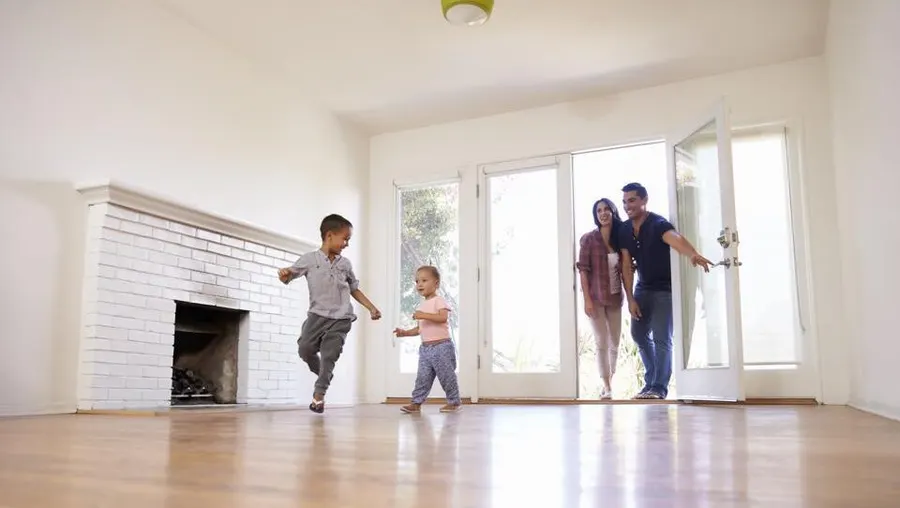
A home rarely creates buyer interest by accident.
The properties that attract serious attention quickly usually have one thing in common: they are prepared with intention. While location and market conditions play major roles, sellers still have significant influence over how buyers perceive a property when it first appears.
The goal is not to make a home look unrealistic or hide its flaws. The goal is to remove distractions, highlight strengths, and create a clear reason for buyers to imagine themselves living there.
Successful preparation is less about adding more and more improvements. It is about making strategic decisions that improve the way a property is experienced from the first showing to the final offer.
1. Start With the Buyer’s First Ten Minutes
Most buyers form an initial opinion quickly.
That first impression begins before they walk through the front door. The exterior condition, entryway, lighting, and overall sense of care all influence expectations for the rest of the property.
A common mistake sellers make is focusing only on major renovations while ignoring smaller details that shape perception. A new kitchen may attract attention, but a cluttered entryway or neglected landscaping can weaken the impact.
Instead of asking, “What can I upgrade?” sellers should ask, “What will buyers notice immediately?”
The answer often includes:
- Whether the home feels maintained
- Whether rooms appear functional
- Whether spaces feel bright and open
- Whether the property feels easy to move into
Simple improvements can have a measurable effect. Fresh landscaping, a clean entrance, updated lighting fixtures, or removing excess furniture can help buyers focus on the home rather than the work they believe it requires.
The strongest preparation decisions usually remove uncertainty.
2. Make the Home Easy to Imagine
Buyers are not only evaluating a property. They are imagining a future inside it.
That is why presentation matters so much. A home filled with highly personal items, oversized furniture, or unnecessary storage can make it difficult for visitors to understand the available space.
This does not mean creating a completely empty or generic environment. A well-prepared home still needs personality. The difference is that the design choices should support the property rather than compete with it.
A dining area should clearly function as a dining area. A spare room should communicate flexibility. An outdoor area should show how it can be used.
Professional staging can help with this process, but sellers can also make meaningful improvements themselves by simplifying rooms and improving flow.
The question to consider is simple:
Can someone walking through the home quickly understand how they would use each space?
If the answer is yes, the property has already overcome one of the biggest barriers in the buying process.
3. Address Small Problems Before Buyers Find Them
Minor issues can have an outsized effect during a showing.
The issue with a doorknob, an old-fashioned switch plate, leaking faucets, or peeling paint may be considered trivial by itself. However, when consumers see these problems occurring throughout the property, they start wondering about bigger repair problems.
This constitutes a problem of perception.
A potential purchaser observing many unfinished works can feel that the house has not been maintained well, even when all the important systems are intact.
Before listing, sellers should complete a detailed walkthrough as if they were seeing the property for the first time. This includes checking:
- Doors and windows that do not operate smoothly
- Visible cracks or damaged surfaces
- Leaking fixtures
- Worn flooring
- Exterior areas that need attention
This does not mean that every possible flaw will be removed. Not one house in the world is perfect. The idea here is to ensure that there is nothing that would cause the buyer to doubt.
Even small repairs go a long way toward protecting more valuable characteristics of the home.
4. Create a Marketing Story, Not Just a Listing
A strong listing does more than describe rooms.
Buyers seek out context. They want to know what makes the home unique as opposed to others on the market.
Smart marketing brings to light the elements that make a home stand out from the rest. This may be its location, layout, improvements to the exterior, energy-saving upgrades, or architectural uniqueness.
High-quality photography is necessary because most people will decide whether a property needs a visit through the Internet. Bad lighting, bad angles, or false pictures will discourage people before they even enter the property.
Text descriptions are also important. The use of generic descriptions does not work because they might apply to hundreds of other properties.
For example, describing a backyard as “beautiful” provides little information. Explaining that it includes a shaded seating area, mature landscaping, and space for entertaining gives buyers a reason to pay attention.
The properties that generate strong demand are often the ones with a clear identity.
5. Prepare for Speed Without Sacrificing Strategy
Many sellers focus on the idea of selling fast, but speed should be the result of proper preparation rather than the only objective.
A rushed listing can create problems if pricing, presentation, and documentation are not aligned. Buyers today have access to extensive information, and serious buyers often recognize when a property has been carefully prepared.
Before going live, sellers should have a clear plan for pricing, showings, negotiations, and potential buyer questions. This includes gathering important documents, understanding recent comparable sales, and making sure the home is ready for attention from day one.
It is during the first few days on the market that the greatest potential exists to reach out to motivated buyers. A property that enters the market with good exposure and positioning can be more likely to generate competition.
This is where preparation becomes important for the seller.
The Advantage Belongs to the Prepared Seller
Buyer interest is not created by one single improvement. It comes from a series of decisions that make a property easier to understand, easier to appreciate, and easier to choose.
The strongest sellers recognize that preparation is part marketing, part psychology, and part practical planning.
A home does not need to be perfect to attract attention. It needs to feel intentional.
When buyers walk in and immediately see the value, understand the possibilities, and trust the condition of the property, the seller has already accomplished the most important step: turning curiosity into genuine interest.