
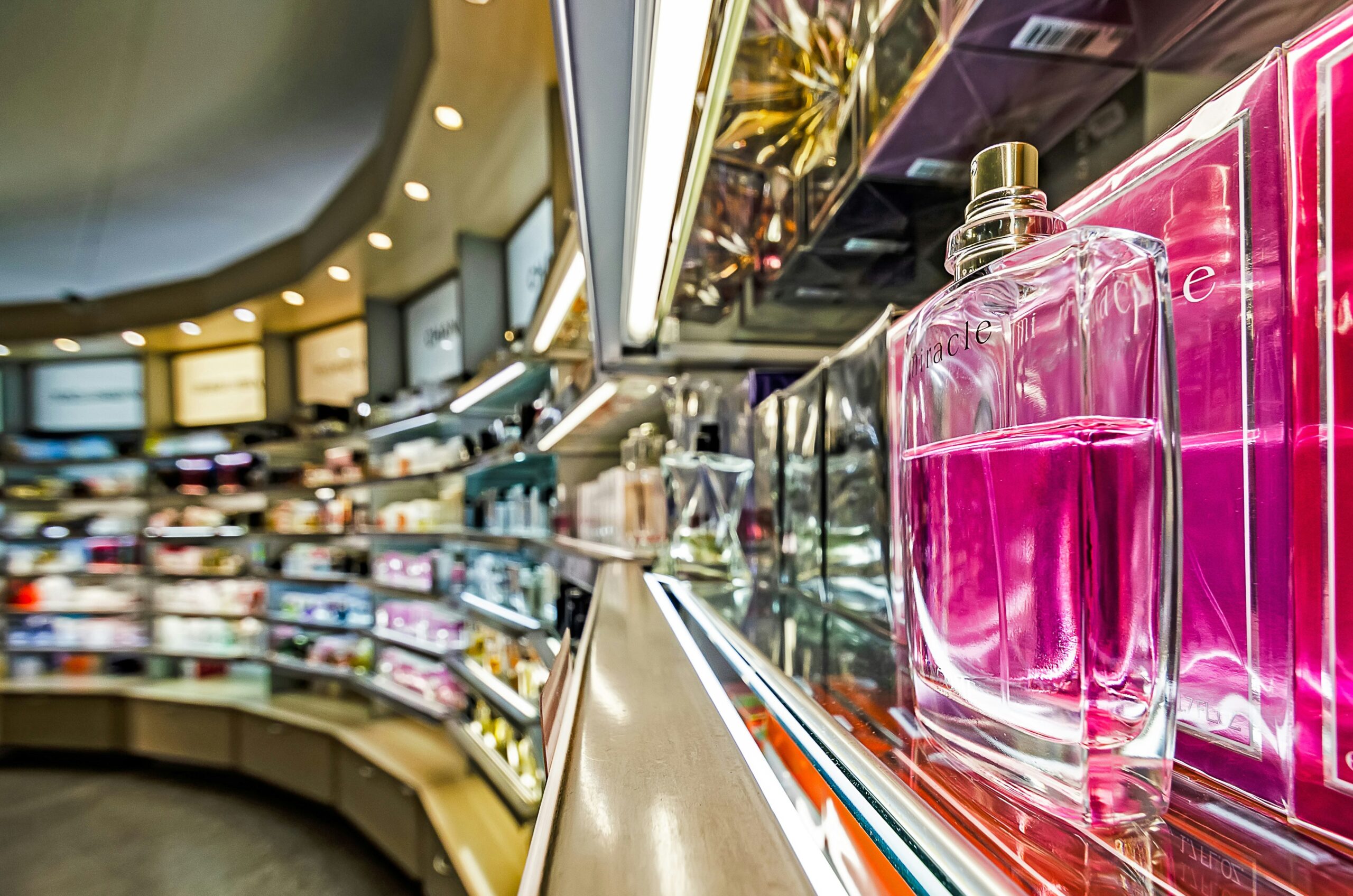
Lighting is often treated as a background detail in retail spaces, yet it plays a central role in how customers perceive products, move through stores, and decide how long to stay. Thoughtful lighting choices influence mood, focus attention, and reinforce brand identity without saying a word. For retailers, lighting is a functional tool that directly supports customer experience and business performance.
First Impressions Begin at the Door
The moment a customer enters a store, lighting sets expectations. Bright, even illumination at entrances creates a sense of openness and safety. Dim or uneven lighting can make spaces feel cramped or uninviting, regardless of product quality. Entry lighting also helps eyes adjust from outdoor conditions, reducing visual discomfort and encouraging customers to step fully into the space rather than hesitating near the door.
Exterior lighting matters as well. Well-lit storefronts improve visibility from a distance and signal professionalism. Customers are more likely to enter spaces that feel active and cared for, especially during evening hours or in high-traffic retail districts.
Guiding Movement Through the Store
Lighting subtly directs how customers move. Brighter paths naturally draw people forward, while darker areas discourage lingering. Retailers can use this principle to guide traffic toward key displays, seasonal collections, or high-margin items. Aisle lighting that is consistent and glare-free helps shoppers browse comfortably, reducing fatigue and frustration.
Layered lighting strategies work especially well. Ambient lighting provides general visibility, while accent lighting highlights focal points. Task lighting supports specific actions such as reading labels or trying on products. Together, these layers create a sense of flow that feels intuitive rather than forced.
Highlighting Products Without Overpowering Them
Product presentation depends heavily on light quality. Color temperature affects how items appear, particularly clothing, food, and cosmetics. Warm tones can add richness, while cooler tones create a clean, modern feel. Incorrect lighting can distort colors, leading to dissatisfaction when customers see products later in different environments.
Spotlights and track lighting allow retailers to emphasize featured items without overwhelming the space. The goal is balance. Products should stand out, but not feel isolated or harshly lit. Consistent lighting across displays helps customers compare items easily, supporting confident purchase decisions.
Supporting Comfort and Dwell Time
Customer comfort influences how long people stay in a store. Harsh lighting, flicker, or glare can cause eye strain and headaches, shortening visits. Softer, evenly distributed lighting encourages browsing and exploration. When customers feel physically comfortable, they are more likely to engage with staff and consider additional purchases.
Lighting also affects perceived cleanliness and organization. Shadows in corners or uneven brightness can make spaces feel cluttered, even when they are not. Clear, well-planned lighting reinforces a sense of order and care that customers subconsciously associate with quality.
Reinforcing Brand Identity
Lighting communicates brand values. A luxury retailer may use subdued lighting with focused highlights to create intimacy. A family-oriented store may favor bright, cheerful illumination that feels welcoming. Consistency across locations strengthens recognition and trust.
As stores evolve, lighting systems often require updates to align with new layouts or branding shifts. Working with experienced industrial electrical contractors helps ensure lighting installations meet safety standards while supporting design goals and energy efficiency.
Energy Efficiency and Operational Benefits
Modern lighting solutions offer efficiency gains alongside aesthetic improvements. LED systems reduce energy consumption and heat output, which can lower utility costs and improve climate control. Smart lighting controls allow adjustments based on time of day, occupancy, or natural light levels, maintaining consistent experiences while reducing waste.
Maintenance also becomes simpler with longer-lasting fixtures. Fewer outages mean fewer disruptions to the customer experience and less strain on operations teams.
Lighting as a Strategic Asset
Retail lighting is not decoration. It is a strategic asset that shapes how customers feel, move, and decide. Stores that invest in thoughtful lighting design see benefits in engagement, satisfaction, and sales. As retail environments become more competitive, attention to lighting details helps physical spaces remain relevant and inviting.
When lighting supports both function and atmosphere, it becomes an invisible guide that enhances every step of the customer journey. Check out the accompanying resource for more information.
