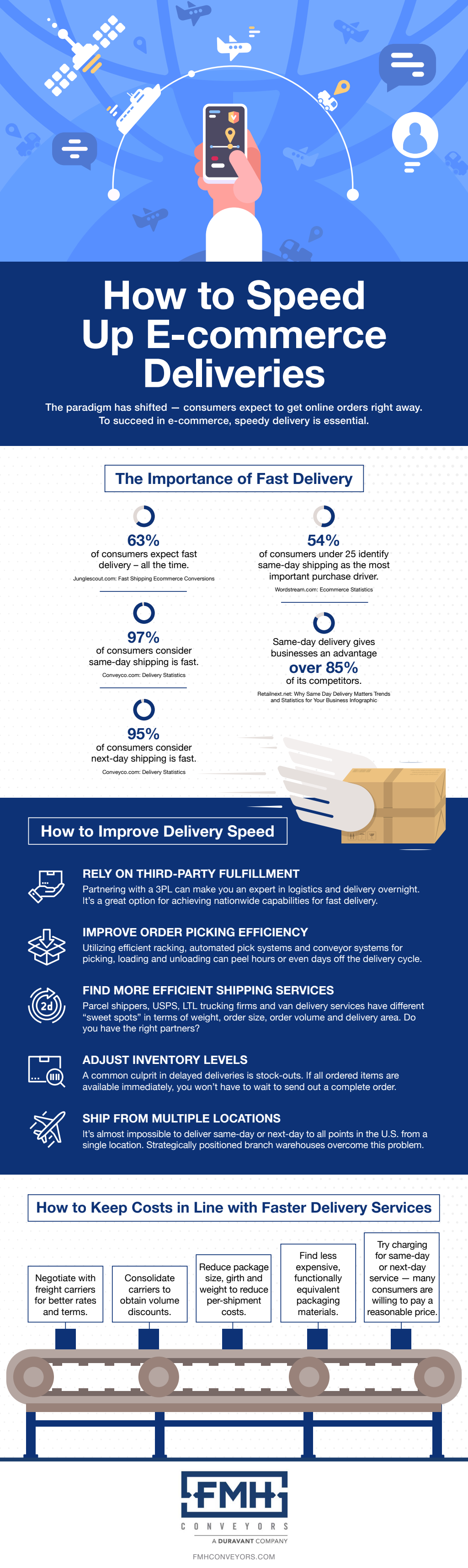
Delivery speed has become one of the strongest competitive factors in e-commerce. Customers now expect quick, predictable arrival times, and delays can affect repeat business just as much as pricing or product quality. Improving delivery speed is less about rushing and more about refining systems across fulfillment, transportation, and communication. Businesses that focus on these areas can shorten delivery windows without sacrificing accuracy or control.
Optimize Inventory Placement
Delivery speed often depends on where products are stored before an order is placed. Centralized warehouses may simplify oversight, but they can add days to shipping times when customers are widely distributed. Regional fulfillment centers allow orders to ship from locations closer to end customers, reducing transit distance.
Data analysis helps determine which products should be stocked in each location. Fast-moving items benefit most from decentralized storage, while slower sellers can remain centralized. Balancing inventory levels across locations prevents stockouts that force last-minute rerouting.
Streamline Warehouse Operations
Once an order enters the warehouse, internal movement plays a major role in delivery timelines. Efficient picking, packing, and staging processes reduce the time between order confirmation and carrier pickup. Clear layout design and logical product placement limit unnecessary travel for warehouse staff.
Automation can further speed internal flow. Conveyance systems, sorting equipment, and scanning technology help move orders consistently through each step. In facilities handling high volumes, a tire conveyor system supports smooth transport of packaged goods while maintaining steady throughput during peak periods.
Improve Order Processing Speed
Delays often occur before a product ever reaches the warehouse floor. Manual order review, disconnected systems, or slow payment verification can add hours or days to fulfillment. Integrating order management, inventory, and payment platforms reduces handoffs and speeds confirmation.
Real-time inventory visibility prevents overselling and eliminates the need for manual intervention. Automated order routing ensures each purchase is sent to the most efficient fulfillment location based on stock levels and destination.
Strengthen Carrier Partnerships
Shipping speed depends heavily on carrier performance. Working with multiple carriers provides flexibility when capacity tightens or regional disruptions occur. It also allows businesses to match service levels to delivery promises more effectively.
Negotiating earlier pickup times can shorten delivery windows without changing transit services. Consistent shipping volume and clear forecasting help carriers plan routes more efficiently, which improves reliability during high-demand periods.
Use Smart Packaging Strategies
Packaging decisions affect both speed and cost. Oversized or inconsistent packaging slows processing and limits carrier options. Standardized packaging sizes allow faster packing and improve compatibility with automated systems.
Right-sizing packages reduces dimensional weight charges and enables faster sorting within carrier networks. Lighter shipments also move more quickly through air and ground transportation hubs.
Leverage Technology for Visibility
Speed improvements require visibility across the entire order lifecycle. Tracking tools that monitor orders from checkout through delivery help identify bottlenecks. When delays appear, teams can address root causes rather than guessing.
Customer-facing tracking also reduces service inquiries. Clear delivery updates, manage expectations, and build trust even when delays occur. Fewer inquiries free internal teams to focus on fulfillment efficiency.
Prepare for Demand Surges
Seasonal spikes and promotional events place stress on delivery systems. Planning prevents slowdowns that frustrate customers. Accurate demand forecasting supports better staffing, inventory placement, and carrier scheduling.
Temporary labor, extended warehouse hours, and pre-positioned inventory help absorb increased volume. Testing systems before peak periods ensures processes hold up under pressure.
Align Delivery Promises With Operations
Fast delivery starts with honest expectations. Promising next-day delivery without operational support leads to missed deadlines and damaged credibility. Clear alignment between marketing claims and fulfillment capacity protects brand trust.
Offering multiple delivery options allows customers to choose speed levels that match their needs. Standard delivery can coexist with expedited services when systems are designed to support both.
Speeding up e-commerce deliveries requires coordination across inventory strategy, warehouse operations, technology, and carrier relationships. Incremental improvements in each area add up to meaningful reductions in delivery time. Companies that treat delivery speed as an operational discipline rather than a last-mile problem position themselves to meet rising customer expectations with consistency and confidence. Look over the infographic below for more information.