
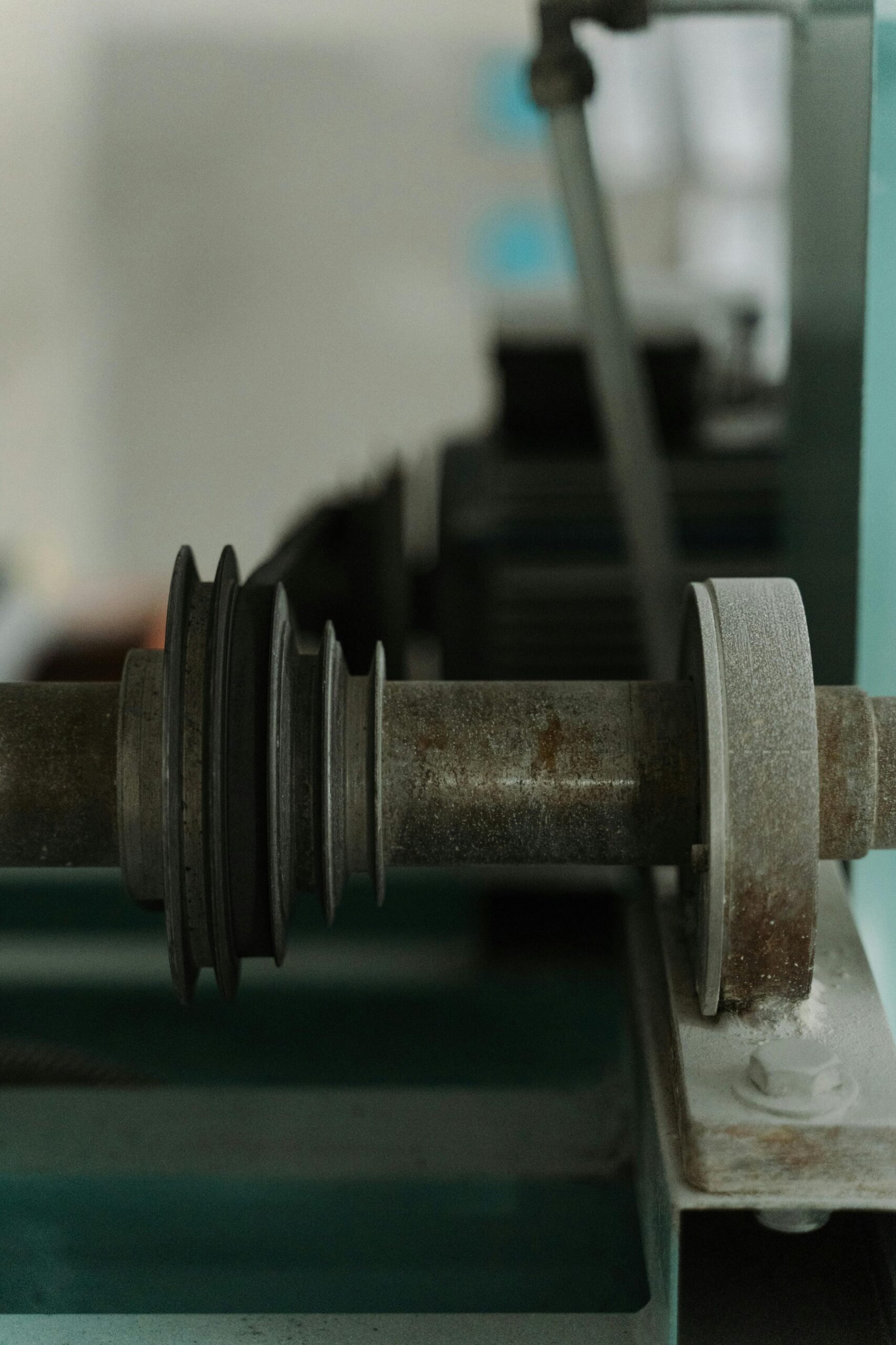
Walk through almost any modern manufacturing facility and you’ll find two things that exist in permanent tension: the drive to produce more efficiently and the mounting pressure to do so more sustainably.
For many businesses, those two goals have felt like they’re pulling in opposite directions. But increasingly, manufacturers are finding tools and processes that serve both at once. The briquetter machine is one of them, and it’s quietly becoming a significant part of how forward-thinking facilities manage waste.
The Waste Problem Most Manufacturers Know Too Well
Metal shavings, wood chips, plastic offcuts, biomass debris, the byproducts of manufacturing operations are constant and considerable. Every cutting, grinding, milling, or shaping process generates material that has to go somewhere.
Traditionally, that somewhere has been a large bin, a contractor, and eventually a landfill or an inefficient recycling stream. The waste piles up fast, takes up space, and costs money to remove. And for businesses with sustainability commitments, whether driven by regulation, investor expectations, or genuine environmental goals, it represents a visible, unresolved problem.
According to the U.S. Environmental Protection Agency, industrial and manufacturing facilities generate hundreds of millions of tons of solid waste annually in the United States alone, much of which ends up in landfill despite being technically recyclable.
That’s the gap a briquetter machine is designed to help close.
What a Briquetter Machine Actually Does
The concept is straightforward. A briquetter takes loose, low-density waste material, metal turnings, wood shavings, aluminium chips, plastic scraps, and compresses it under high pressure into compact, dense blocks called briquettes.
Those briquettes are easier to handle, easier to transport, and significantly more valuable as a recycled material than the loose waste they came from. Instead of shipping air and moisture in a half-empty bin, you’re shipping dense, sellable material.
The process typically also extracts cutting fluids from metal waste, which can be recovered and reused, delivering an additional cost saving on top of the recycling benefit.
The Direct Environmental Benefits
This is where the sustainability case becomes genuinely compelling. When manufacturers invest in on-site briquetting, the environmental impact shows up in several concrete ways:
- Reduced landfill contribution — compacted briquettes are recycled more efficiently than loose scrap
- Lower transport emissions — denser material means fewer collection trips and a lower carbon footprint per tonne recycled
- Cutting fluid recovery — reducing the need to purchase new fluid and preventing contaminated fluid from entering waste streams
- Better material traceability — briquettes are easier to sort, store, and direct to appropriate recycling streams
- Reduced on-site waste volume — freeing up floor space and reducing hazardous material handling risks
Each of these is measurable, which matters enormously for businesses reporting against environmental KPIs or working toward ISO 14001 certification.
How It Supports Broader Sustainability Goals
For manufacturers that have made public commitments around carbon reduction, circular economy principles, or zero-waste-to-landfill targets, briquetting is becoming increasingly valuable beyond simple waste management.
Instead of treating scrap materials as disposal problems, businesses are finding ways to recover, compress, and reuse them more efficiently within production systems. That shift supports both sustainability reporting and operational performance at the same time.
Interest in briquetter machine technology has grown as manufacturers look for practical ways to reduce waste handling costs, improve material efficiency, and create cleaner, more streamlined production environments.
Companies like AUPWIT are helping support that transition by offering industrial briquetting solutions built for consistent performance in demanding manufacturing settings.
The Business Case Alongside the Green Case
It would be incomplete to talk about briquetting only through the lens of sustainability. The operational and financial case is just as strong.
- Reduced waste disposal costs — less volume means fewer collections and lower contractor fees
- Recovered cutting fluid — reusable fluid reduces raw material purchasing
- Revenue from scrap — dense, clean briquettes fetch a higher price from metal recyclers than loose swarf
- Reduced storage space — loose shavings take up enormous space; briquettes stack efficiently
- Improved workplace safety — loose metal shavings are a slip and injury hazard; briquettes eliminate that
For most facilities, the machine pays for itself within a reasonable timeframe, and then continues generating operational savings year after year.
A Practical Step Toward a Circular Model
There’s a growing recognition in manufacturing that the circular economy isn’t just a concept for annual reports. It’s a practical operating model, one where waste is reduced, materials are recovered, and value is extracted from what would otherwise be lost.
Briquetting is one of the more tangible expressions of that model in action. It takes waste that was previously a cost and converts it into a recoverable asset. It reduces environmental impact while simultaneously improving the bottom line.
For businesses mapping out their sustainability roadmap, it deserves serious consideration, not as a gesture, but as a genuine operational improvement.
Conclusion
Sustainability in manufacturing rarely comes from a single dramatic decision. It comes from accumulating smart, practical choices that compound over time.
A briquetter machine is exactly that kind of choice. It reduces waste, recovers value, lowers emissions, and supports the kind of measurable environmental progress that businesses increasingly need to demonstrate.
If your facility is generating significant material waste and you haven’t yet looked at briquetting, the question isn’t really whether it would help. It’s why you’ve waited this long.