
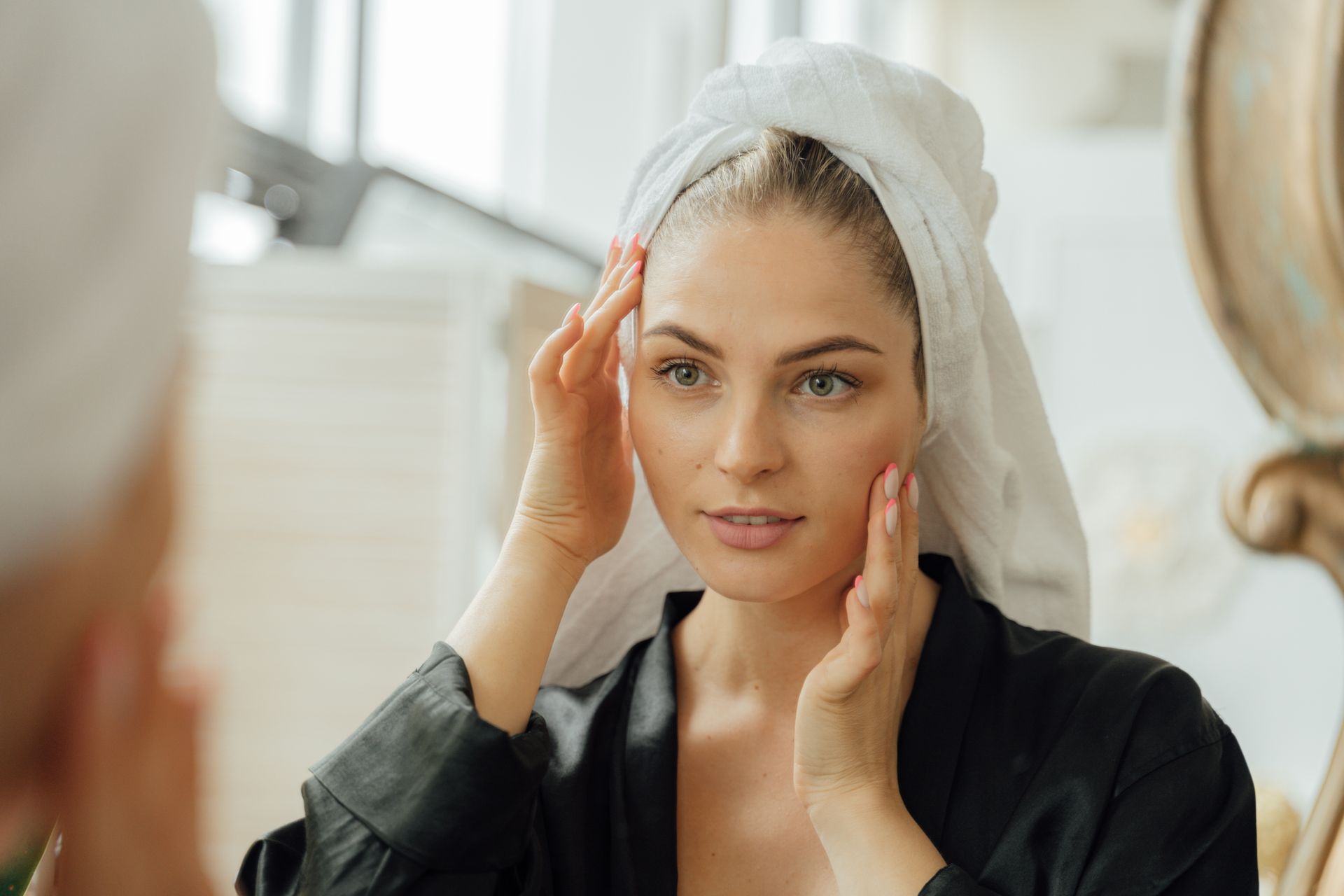
For better skin health, a client may follow a thoughtful routine. Still, they might notice –
- Dullness
- Uneven tone
- Dehydration
- Fine lines appearing sooner than expected.
In most cases, the missing piece is cumulative environmental exposure. Hence, aestheticians must understand how antioxidant skincare fits into this picture. This way, aestheticians will recommend more precise protocols. Also, every routine will not turn into an aggressive corrective program.
Environmental Skin Damage Is Usually Cumulative
At the outset, environmental skin damage refers to the visible changes resulting from repeated exposure to the following problems:
- Ultraviolet radiation
- Airborne pollutants
- Temperature fluctuations
- Low humidity
- Other external stressors.
In fact, these factors overlap throughout the day. They place ongoing pressure on the skin’s protective and restorative functions.
Although this process is among the major causes of skin aging, intrinsic aging still matters. Meanwhile, genetics and time influence –
- Collagen production
- Hydration
- Cellular renewal.
However, environmental exposure accelerates the visible pace of those changes. That is where professional guidance becomes especially useful.
How Oxidative Stress Changes the Skin
Primarily, free radicals are unstable molecules. They are generated through normal biological activity and environmental exposure. When their production exceeds the skin’s antioxidant defenses, oxidative stress develops.
In fact, searches for oxidative stress skin mostly treat this as a single concern. However, the process might affect several interconnected systems.
Over time, free radical damage to skin may contribute to the following issues:
- Visible loss of firmness
- Uneven pigmentation
- Rough texture
- Reduced radiance.
It might also influence the lipids and proteins that support barrier function. Once the barrier becomes less efficient, water escapes more readily. Meanwhile, external irritants may gain easier access.
| Environmental Stressor | Potential Visible Effect | Professional Priority |
| Ultraviolet exposure | Uneven tone, fine lines, loss of firmness | Daily broad-spectrum protection |
| Airborne pollution | Dullness, congestion, visible irritation | Thorough but gentle cleansing |
| Low humidity and wind | Dehydration, roughness, discomfort | Lipid and moisture replenishment |
| Heat fluctuations | Redness and barrier instability | Routine simplification and soothing care |
| Prolonged screen exposure | Possible visible oxidative strain | Balanced protection without overcorrection |
Pollution and Skin Aging Require a Barrier-First View
Essentially, the relationship between pollution and skin aging involves more than surface debris. In fact, fine particles settle on the skin. Also, they mix with sebum, sweat, and cosmetic residue.
Meanwhile, pollutant exposure may encourage oxidative activity. This affects the appearance of tone, texture, and resilience.
However, stronger cleansing is not always the answer. Scrubs, intensive acids, and repeated washing leave the barrier feeling less comfortable.
So, aestheticians should instead assess –
- Cleansing frequency
- Oil production
- Sensitivity
- The client’s daily environment.
Some skin needs more effective removal. Other skin simply needs a gentler method with better consistency.
For many clients, a mild cleanser followed by an antioxidant serum creates a sensible foundation. Hence, there is a need for a formula combining the following ingredients –
- Vitamin C
- Vitamin E
- Peptides.
This combination supports a brighter, firmer-looking complexion. Meanwhile, it also complements the skin’s existing protective systems. Ingredient tolerance and overall protocol balance still come first.
Antioxidant Skincare Within a Professional Protocol
At the outset, a well-designed antioxidant skincare routine should provide protection and maintenance. It must not chase every environmental trigger with another active ingredient.
In the end, the goal is not to create an overloaded shelf. Instead, the routine should –
- Cleanse efficiently
- Reinforce hydration
- Provide antioxidant support
- Maintain reliable daytime protection.
Step 1: Cleanse Without Overprocessing
Select a cleanser based on the client’s skin barrier condition and exposure pattern. In this case, a gentle daily cleanser may suit dehydrated or reactive-looking skin.
Meanwhile, clients with heavier buildup may benefit from a carefully planned double cleanse. Either way, skin should feel refreshed rather than tight or squeaky afterward.
Step 2: Add Targeted Antioxidant Support
Introduce an antioxidant formula after cleansing and toning. Meanwhile, make sure that the skin tolerates it.
- Vitamin C supports a brighter appearance
- Vitamin E offers complementary antioxidant properties.
- Peptides further support a smoother, firmer-looking complexion.
However. gradual introduction remains the smarter route, especially for sensitized clients.
Step 3: Restore Water and Lipids
In general, environmental conditions make dehydration more noticeable. This happens particularly when air conditioning, wind, or low humidity are in the mix.
So, pair humectants such as hyaluronic acid with a moisturizer suited to the client’s lipid needs. This layered approach helps maintain comfort. Also, it does not make the protocol unnecessarily heavy.
Step 4: Finish With Daily Protection
Daily broad-spectrum sunscreen remains central to Anti-aging skincare. This is because ultraviolet exposure intensifies multiple visible aging pathways.
So, apply an even layer every morning. Also, make sure to reinforce appropriate reapplication habits. This step should remain consistent even when weather conditions appear mild, or clients spend much of the day indoors.
Dealing with Blue Light Skin Damage
Nowadays, concerns about blue-light skin damage have grown alongside increased screen use. Still, screen exposure should not overshadow better-established environmental priorities. In general, these include daylight exposure and pollution.
Essentially, a measured protocol may include antioxidants and daily sunscreen. Moreover, it also addresses –
- Sleep habits
- Screen proximity
- Unnecessary exposure.
This balanced interpretation matters. Otherwise, clients may purchase several overlapping products. Meanwhile, they also neglect basic protection and barrier support.
In fact, effective environmental stress skincare involves the following –
- Cleanse
- Support
- Moisturize
- Protect.
Basically, the sophistication lies in how each step fits the individual.
Common Protocol Mistakes to Avoid
Even a strong anti-aging skincare plan might become counterproductive when too many corrective products are added to the same routine.
So, before increasing intensity, aestheticians should review the client’s current products. Also, they must review the treatment schedule, sensitivity history, and environmental exposure.
- Avoid layering several exfoliating acids with a retinoid and potent brightening products in one session.
- Do not treat tightness after cleansing as proof that the skin is completely clean.
- Avoid introducing multiple new actives immediately after an intensive professional treatment.
- Do not rely on antioxidant serums as substitutes for daily broad-spectrum sunscreen.
| Pro Tip: Ask clients where their skin spends the day. For instance, a commuter, an outdoor professional, a frequent traveler, and an office-based client are different. In general, they require different strategies for cleansing, hydration, and protection. This holds even when their visible concerns look remarkably similar. |
Stronger Daily Defense Prevents Premature Aging
Environmental aging develops through repetition. This also means that consistent care makes a meaningful difference. To prevent premature aging, prioritize barrier stability. Also, focus on controlled cleansing and hydration.
Moreover, antioxidant support and dependable sun protection are necessary. This is better than continually escalating product intensity.
For aestheticians, the most effective antioxidant skincare strategy is the one clients can tolerate and follow. So, aestheticians must build the protocol around actual exposure, current barrier condition, and treatment goals.
Then, they must adjust it as the skin changes. Explore professionally guided formulas that support protection, replenishment, and visible renewal without overwhelming the routine.