
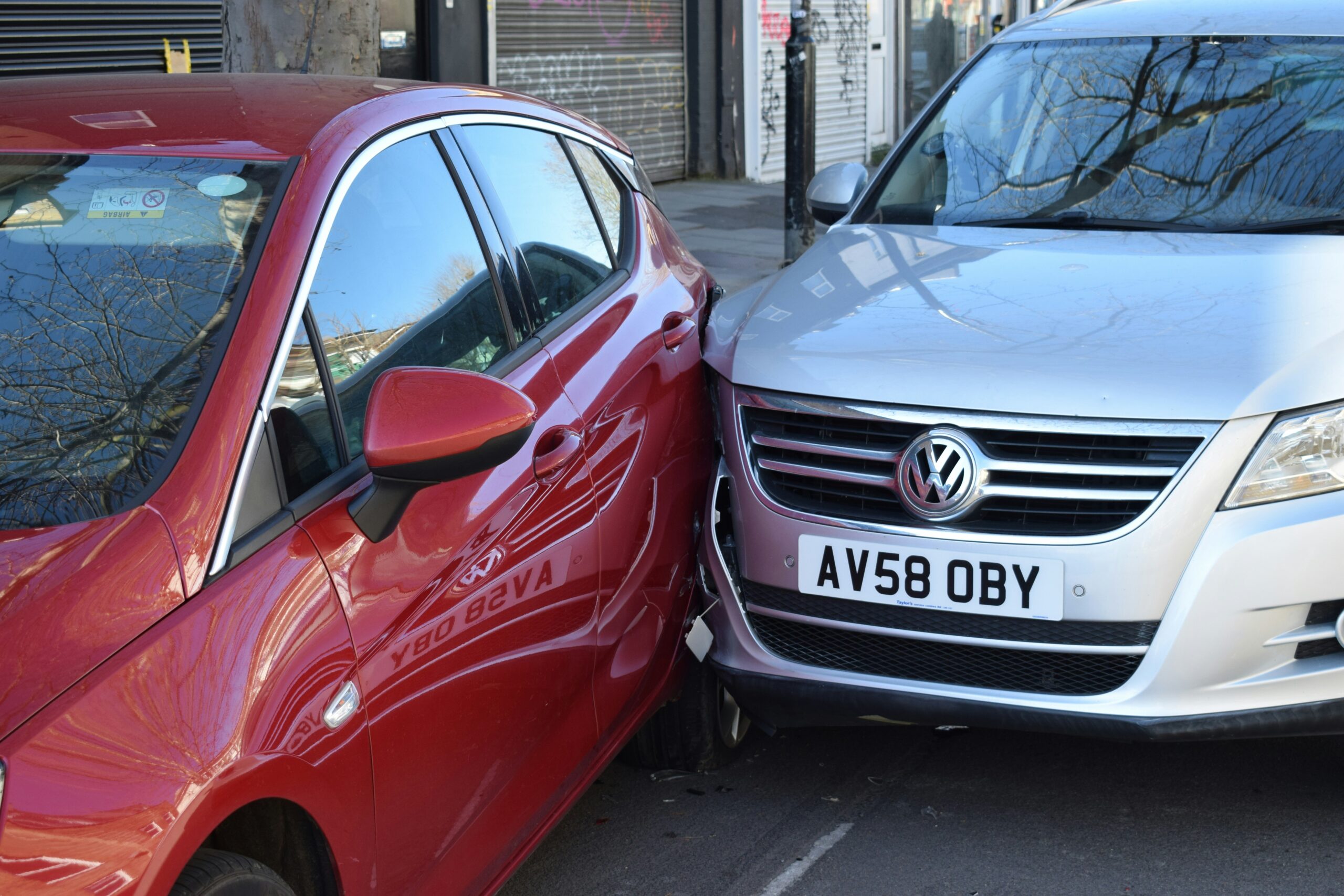
After a vehicle collision, one of the first questions people ask is, “Who is at fault?” Liability determines who is legally responsible for the accident and, ultimately, who may be required to pay for damages such as medical bills, vehicle repairs, and lost income. While some crashes seem straightforward, many involve complex circumstances that require careful analysis of evidence and applicable laws.
The Role of Fault in Car Accidents
In most vehicle collision cases, liability is tied to fault. Fault is based on whether a driver failed to act with reasonable care under the circumstances. This could include behaviors such as speeding, distracted driving, running a red light, or failing to yield the right of way. Investigators look at whether a driver’s actions directly caused or contributed to the accident.
Some states follow comparative fault rules, meaning more than one driver can share responsibility. In these situations, liability is divided according to each party’s percentage of fault, which can directly affect compensation.
Evidence Used to Determine Liability
Determining liability relies heavily on evidence gathered after the collision. Police reports often serve as a starting point, as they document observations from the scene, statements from drivers and witnesses, and any citations issued. While a police report is not always definitive, it carries significant weight in insurance and legal discussions.
Other key forms of evidence include photographs of the scene, vehicle damage, skid marks, traffic signals, and road conditions. Video footage from dashcams, nearby businesses, or traffic cameras can also provide crucial insight into how the collision occurred. Medical records help establish the timing and severity of injuries, which can support claims about the force and nature of the impact.
Witness Statements and Expert Analysis
Independent witnesses can play a major role in determining liability, especially when drivers offer conflicting accounts. Neutral third-party statements often help clarify what happened in the moments leading up to the crash.
In more complex cases, accident reconstruction experts may be involved. These professionals analyze physical evidence, vehicle dynamics, and scene data to recreate the collision. Their findings can help explain speed, angles of impact, and driver reactions, all of which contribute to establishing fault.
Insurance Companies and Liability Decisions
Insurance companies conduct their own investigations to decide liability and determine whether to pay a claim. Adjusters review evidence, interview involved parties, and apply policy terms to reach a conclusion. However, their primary goal is to minimize payouts, which can sometimes result in disputed or undervalued claims.
When disagreements arise, having guidance from an experienced accident attorney can be critical. Legal representation helps ensure that evidence is properly presented and that fault is assessed fairly rather than solely through an insurer’s perspective.
Special Situations That Affect Liability
Certain scenarios add additional layers to liability determinations. Multi-vehicle collisions often involve chain reactions where multiple drivers may share fault. Accidents involving commercial vehicles can introduce employer liability if the driver was working at the time of the crash. Poor road conditions, defective vehicle parts, or malfunctioning traffic signals may also shift some responsibility to third parties, such as manufacturers or government entities.
Each of these situations requires a tailored approach to identify all potentially liable parties and understand how responsibility is allocated.
Why Liability Determination Matters
Accurately determining liability is essential because it directly affects compensation outcomes. It influences whether a claim is approved, how much compensation may be available, and whether a case can be resolved through settlement or requires litigation. A thorough and well-supported liability assessment creates a stronger foundation for recovery after a vehicle collision and helps injured parties move forward with greater clarity and confidence.