
Introduction
From construction and manufacturing to electronics and transportation, sheet metal plays a vital role in modern industry. Its versatility, strength, and adaptability make it a go-to material for countless applications. However, achieving reliable performance depends not just on the material itself, but on how it is designed, cut, formed, and finished.
This is where professional sheet metal fabrication comes in. In this article, we explore what sheet metal fabrication involves, why it matters for quality and efficiency, and how choosing the right fabrication partner can add real value to your projects.
What Is Sheet Metal Fabrication?
Turning Flat Metal Into Functional Components
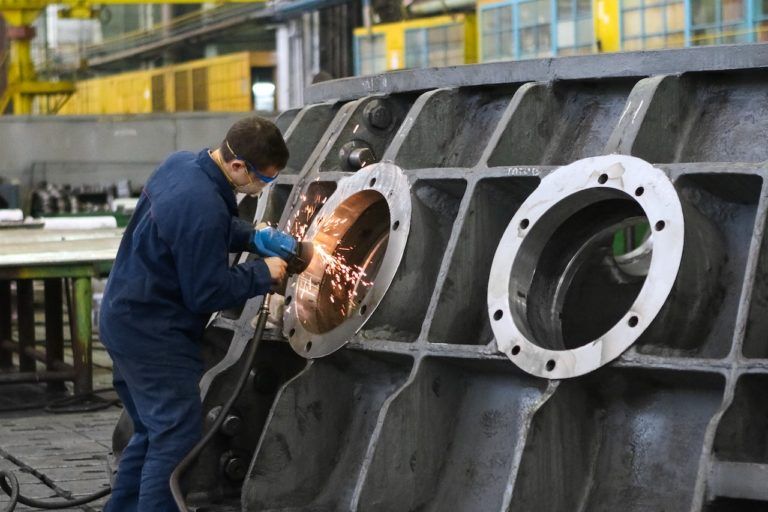
Sheet metal fabrication is the process of transforming flat sheets of metal into precise, usable components or assemblies. This is achieved through a combination of cutting, bending, forming, and finishing techniques, all guided by detailed specifications.
Common materials include steel, aluminium, stainless steel, and copper, each chosen for specific strength, weight, corrosion resistance, or conductivity requirements.
A Process Driven by Precision
Fabrication relies heavily on accuracy. Small tolerances, clean edges, and consistent finishes are critical—especially for parts that must fit seamlessly into larger systems or meet regulatory standards.
Why Sheet Metal Fabrication Matters
Strength and Durability
Properly fabricated sheet metal components offer excellent structural integrity. When designed and produced correctly, they can withstand stress, vibration, and environmental exposure, making them suitable for demanding applications.
Flexibility Across Industries
One of the biggest advantages of sheet metal is its versatility. Fabrication techniques can be adapted to produce everything from simple brackets to complex enclosures and custom assemblies.
Working with experienced specialists in sheet metal fabrication ensures components are tailored to the exact needs of each industry and application.
Key Stages in the Sheet Metal Fabrication Process
Cutting and Shaping
Cutting is often the first step, using methods such as laser cutting, punching, or shearing. Modern CNC-controlled equipment allows for high accuracy, repeatability, and clean finishes, even on intricate designs.
Bending and Forming
Once cut, metal sheets are bent or formed into shape using press brakes or rollers. Precision at this stage is essential to ensure components meet dimensional requirements and function as intended.
Assembly and Joining
Fabricated parts may be joined using welding, riveting, or fastening, depending on the application. Skilled workmanship ensures joints are strong, consistent, and visually clean.
Finishing and Surface Treatment
Finishing processes such as powder coating, anodising, or polishing improve appearance, corrosion resistance, and durability. These treatments also help components meet industry or customer standards.
Benefits of Professional Sheet Metal Fabrication
Customisation and Design Freedom
Fabrication allows for bespoke designs that fit exact requirements. Whether producing one-off prototypes or large production runs, custom fabrication ensures components align perfectly with project needs.
Consistent Quality and Accuracy
Professional fabricators use advanced machinery and quality control processes to deliver consistent results. This reduces rework, improves reliability, and supports smoother assembly downstream.
Improved Efficiency and Cost Control
Accurate fabrication reduces waste, minimises errors, and shortens lead times. Over time, this leads to better cost control and more predictable project outcomes.
Applications Across Key Industries
Construction and Architecture
Sheet metal is widely used for cladding, brackets, supports, and decorative elements. Fabrication ensures components are both functional and visually consistent.
Manufacturing and Engineering
In manufacturing, fabricated metal parts form the backbone of machinery, housings, and structural assemblies. Precision is essential to ensure safety and performance.
Electronics and Technology
Enclosures, panels, and frames must meet tight tolerances while protecting sensitive components. Fabrication supports both functionality and heat management.
Transport and Infrastructure
From vehicle components to infrastructure supports, sheet metal fabrication delivers strength without excessive weight—an important factor in transport applications.
Choosing the Right Sheet Metal Fabrication Partner
Technical Expertise and Equipment
Look for a fabricator with modern equipment and proven technical expertise. Advanced CNC machinery and skilled operators are key to achieving precision and consistency.
Collaborative Design Support
A good fabrication partner offers input during the design phase, helping optimise components for manufacturability, strength, and cost-efficiency.
Quality Assurance and Reliability
Clear quality control processes, material traceability, and reliable lead times are essential—particularly for regulated or safety-critical industries.
Best Practices for Successful Fabrication Projects
Provide Clear Specifications
Accurate drawings, tolerances, and material requirements help ensure components are produced correctly the first time.
Consider the Full Lifecycle
Think beyond initial fabrication. Factors such as durability, maintenance, and finishing can significantly affect long-term performance and cost.
Plan for Scalability
If a project may move from prototype to production, choose a fabricator capable of supporting growth without compromising quality.
Frequently Asked Questions
What materials are commonly used in sheet metal fabrication?
Common materials include steel, stainless steel, aluminium, and copper, each chosen for specific performance characteristics.
Is sheet metal fabrication suitable for small production runs?
Yes. Fabrication is well suited to both prototypes and low-volume runs, as well as large-scale production.
How precise is modern sheet metal fabrication?
With CNC-controlled machinery, tolerances can be extremely tight, making fabrication suitable for high-precision applications.
Can fabricated parts be finished for corrosion resistance?
Absolutely. Processes such as powder coating, galvanising, and anodising improve durability and appearance.
Does custom fabrication increase costs?
Not necessarily. While bespoke parts may cost more upfront, they often reduce waste, improve fit, and lower long-term costs.
Conclusion
Sheet metal fabrication is a cornerstone of modern manufacturing, enabling the production of strong, precise, and adaptable components across countless industries. When done well, it delivers reliability, efficiency, and design freedom that off-the-shelf solutions simply can’t match.
By partnering with experienced fabricators and focusing on quality at every stage, businesses can turn sheet metal into high-performing solutions that support innovation, scalability, and long-term success.