
The average adult carries roughly five liters of blood, constantly circulating oxygen to every organ and tissue. It’s a closed system that works quietly, every second of every day. Until something punctures it badly enough that blood starts escaping fast. Every drop matters.
When that happens, the body doesn’t just sit back and wait. It launches a set of emergency responses designed to protect the most vital organs, especially the brain and heart. Some of these adjustments kick in within seconds, long before anyone reaches a hospital.
These defenses are impressive, but they have limits. As blood volume drops, oxygen delivery becomes harder to maintain. Without help, the body’s compensation eventually breaks down, which is why severe bleeding is one of the most time-sensitive emergencies in medicine. Minutes truly matter.
How the Body Fights to Keep Blood Moving
Special pressure sensors called baroreceptors sit in the walls of major arteries, including the aorta and carotid arteries. When blood volume starts falling, they detect the drop in pressure and fire urgent nerve signals to the brain’s control centers. The alarm goes off fast.
During exsanguination or other severe hemorrhage, the sympathetic nervous system responds immediately. Heart rate climbs, so the remaining blood circulates faster. The heart also squeezes harder with each beat, pushing out as much blood as it can manage. It’s a frantic effort.
At the same time, blood vessels in the skin, gut, and kidneys constrict. That redirects flow toward the brain and heart, which can’t tolerate interruptions. It’s why someone losing blood often looks pale, feels cold and clammy, and produces less urine. Survival takes priority.
Why Blood Pressure Can Be Misleading Early On
Here’s the tricky part. These compensatory responses can be so effective that blood pressure stays fairly normal even as significant blood loss develops. A patient might look stable on a monitor while their reserves are quietly draining away. Looks can deceive badly.
That’s why clinicians watch other clues. A rising heart rate, rapid breathing, anxiety or confusion, cool skin, and slow capillary refill can signal trouble before pressure drops. In many cases, a falling blood pressure reading is a late warning sign, not an early one.
Young, healthy people can be especially deceptive. Their bodies compensate remarkably well, sometimes until they’ve lost roughly a third of their blood volume. When their pressure finally crashes, it can happen suddenly, leaving very little time to reverse the decline. Compensation can hide danger.
What Happens When Organs Stop Receiving Enough Oxygen
When blood loss outpaces the body’s ability to compensate, hemorrhagic shock sets in. Circulation can no longer deliver enough oxygen to meet the body’s needs, and tissues begin to suffer. This stage is extremely dangerous and can progress quickly. Time becomes critical.
Starved of oxygen, cells switch to less efficient energy production, which creates lactic acid. The blood becomes more acidic, and that acidity can interfere with clotting. Body temperature may fall too, making it even harder for the blood to clot normally. It’s a vicious spiral.
Vital organs start to fail. The kidneys may stop filtering properly, the brain can become confused or unresponsive, and the heart itself may struggle without enough oxygen. Trauma specialists often describe acidosis, hypothermia, and impaired clotting as a deadly cycle that feeds itself.
Why Severe Blood Loss Requires Immediate Medical Intervention
Stopping the bleeding is the first priority. Firm direct pressure, wound packing, and tourniquets for serious limb injuries can buy precious minutes. Bystanders trained through programs like Stop the Bleed have helped save lives before paramedics arrive at the scene. Seconds count.
Rapid medical assessment comes next. Emergency teams identify where the blood is coming from, which isn’t always obvious. Internal bleeding in the abdomen, chest, or pelvis may show few outward signs, so imaging and close monitoring become critical tools. Hidden bleeding is dangerous.
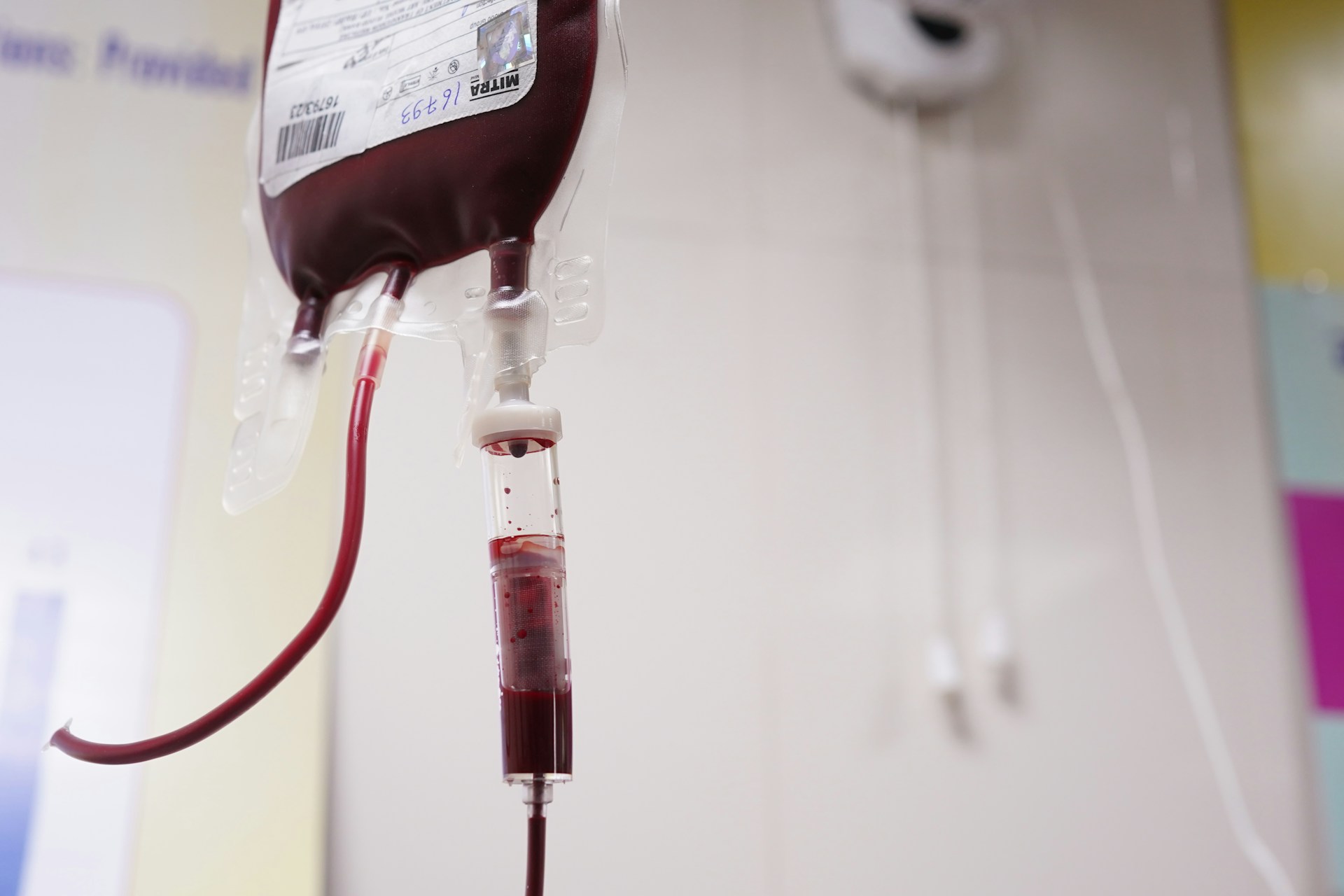
When needed, patients receive blood products to replace what’s been lost and support clotting. But transfusions alone can’t fix the problem. Surgeons or interventional specialists still have to find and control the source of bleeding, which is the definitive treatment. Fixing the leak matters most.
Conclusion
The human body has a remarkable, layered set of emergency defenses against blood loss. Pressure sensors, a racing heart, and narrowing blood vessels work together to keep oxygen flowing to the brain and heart for as long as possible. It’s an impressive survival system.
Those defenses can also hide how serious things are. Blood pressure may look reassuring early on, even while reserves drain away. Once compensation fails, hemorrhagic shock, oxygen-starved tissues, and organ failure can follow with truly frightening speed. Normal readings can mislead.
That’s why severe bleeding demands immediate action. Direct pressure, tourniquets when appropriate, a fast call for emergency help, and rapid hospital care give the best chance of survival. The body can buy time, but only medical treatment can truly stop the bleeding. Speed saves lives.