
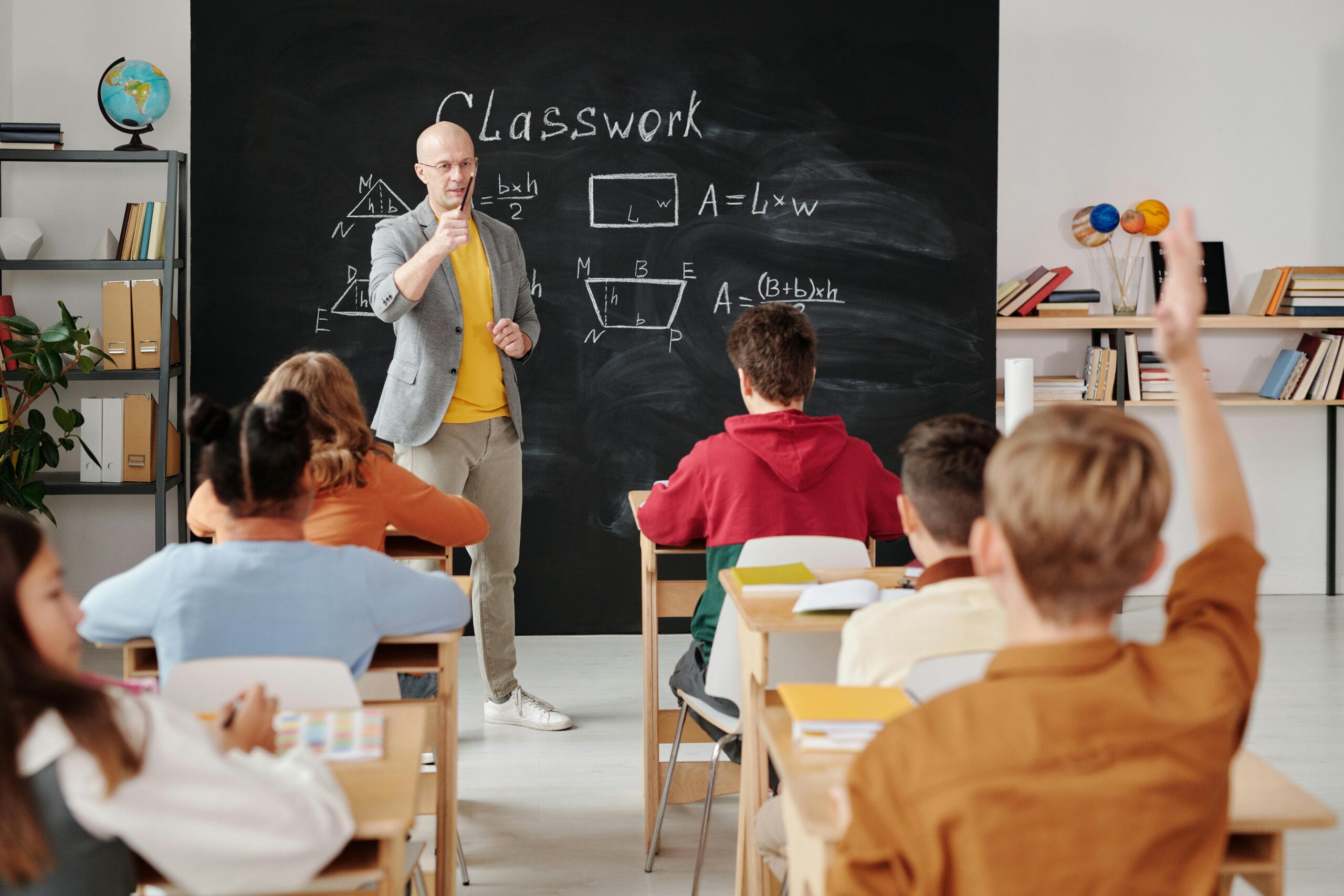
Education is changing fast. The old model of sitting thirty students in a room and teaching them the exact same thing at the exact same speed is starting to show its cracks. Some kids race ahead. Others quietly fall behind. And most of the time, nobody catches the gap until it is too late.
That is where adaptive learning steps in. It is not a buzzword or a passing trend. It is a real shift in how we think about teaching, and technology is making it possible on a scale we have never seen before.
Let us break down what is actually happening, why it matters, and what it means for students, parents, and educators.
Why Traditional Classrooms Are Falling Behind
The Problem With a Uniform Teaching Approach
Think back to your own school days. The teacher stood at the front, delivered a lesson, and moved on. If you understood the material, great. If you did not, you were expected to keep up anyway.
This model works for some students. But for many, it creates invisible problems. Fast learners get bored. Slower learners lose confidence. And the majority somewhere in the middle just coast through without ever being truly challenged or supported.
The issue is not bad teaching. It is a system designed for efficiency rather than individual growth. When you have one teacher handling dozens of students, there is only so much attention to go around.
What Students Actually Need From Modern Education
Today’s students need something different. They need lessons that adjust to their pace. They need feedback that comes in the moment, not two weeks later on a graded paper. And they need a learning experience that respects the fact that no two brains work the same way.
Parents see this too. More families are actively looking for schools and tools that treat their child as an individual rather than a number in a class roster. That demand is driving real change across the education space.
What Adaptive Learning Really Means
Breaking Down the Core Idea
Adaptive learning is an approach where technology monitors how a student interacts with material and then adjusts the experience based on their performance. If a student keeps getting a certain type of question wrong, the system serves up more practice in that area. If they breeze through a topic, it moves them forward instead of making them repeat what they already know.
It is not just another online course. Static online programs hand every student the same videos and quizzes. Adaptive systems actually respond to the learner in real time, creating a path that is unique to each person.
The Role of Artificial Intelligence and Data
Behind the scenes, artificial intelligence does the heavy lifting. It tracks things like how long a student spends on a question, where they hesitate, what types of errors they repeat, and how their confidence grows over time.
All of this data feeds into algorithms that decide what the student sees next. Think of it like having a private tutor who remembers everything about your learning history and adjusts every single lesson accordingly. That is the kind of support adaptive technology provides at scale.
How Different Educational Models Are Responding to the Shift
Established Approaches and Their Evolving Role
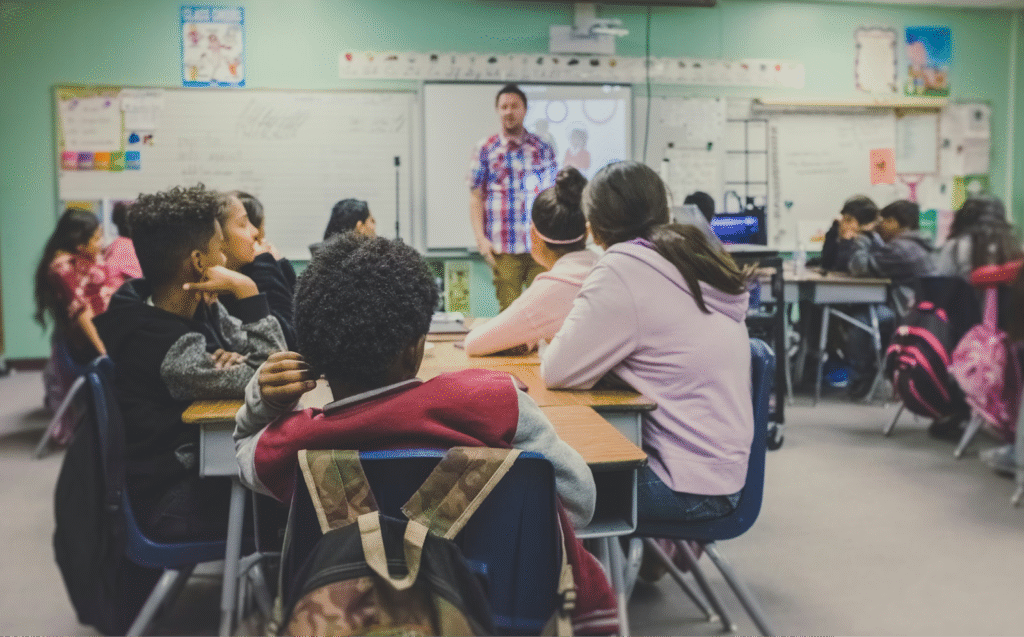
Alternative education is not a new idea. Models like Waldorf and Montessori have been challenging the traditional system for decades. Waldorf focuses on creativity and imagination. Montessori emphasizes independence and self-directed learning. Both deserve credit for pushing back against rigid, one-size-fits-all approaches to learning long before it was trendy to do so.
But here is the thing. These models still follow a fixed philosophy. Every student within the system experiences the same overarching approach, even if the classroom allows some flexibility. The method itself does not change based on who the student is.
Where Newer Adaptive Models Fill the Gap
That is exactly where newer models are stepping in. Instead of applying one philosophy across the board, some schools and platforms now offer personalized learning for middle schoolers that shapes itself around each student’s specific academic needs, pace, and strengths.
This matters most during the middle school years. That is when learning gaps start to widen, academic identities begin forming, and students either build confidence or start checking out. Meeting them with instruction that adapts to who they are can make all the difference during this critical window.
The Technology Driving This Transformation
Intelligent Tutoring Systems and Learning Platforms
The tools powering adaptive learning have come a long way. Modern platforms use machine learning to build detailed student profiles from the very first interaction. Some begin with a level assessment, similar to CEFR-aligned language platforms, and use that starting point to design a custom learning path.
From there, the system continuously updates. Every correct answer, every mistake, every pause adds information. The platform then adjusts lesson difficulty, introduces review sessions where needed, and pushes the student forward when they are ready. It works across subjects too, from language learning and reading comprehension to math and science.
Gamification and Engagement Tools
Technology is also solving one of education’s oldest problems: keeping students engaged. Adaptive platforms often include features like progress bars, achievement badges, streaks, and milestone rewards. These game-like elements tap into natural motivation and make the learning process feel less like homework and more like progress. This shift is part of a broader wave of new technologies that are rewriting education, from AI-driven platforms to gamified classrooms that keep students actively engaged.
This is especially effective for younger students and those who struggle to stay focused in traditional settings. When a student can see exactly how far they have come and what comes next, they are far more likely to stick with it.
It is worth saying clearly though: none of this replaces good teaching. What it does is give teachers better data, sharper insights, and more time to focus on the students who need the most support.
What This Means for Parents and Educators
Choosing the Right Fit for Your Child
If you are a parent exploring options, here is some practical advice. Do not get caught up in labels. Instead, ask the questions that actually matter. Does this school or platform assess my child’s current level before starting? Does it adjust the content as my child progresses? Is there real-time feedback built into the experience?
If the answer to those questions is yes, you are looking at something that genuinely adapts to your child rather than just claiming to.
How Teachers Can Embrace Adaptive Tools
For educators, adaptive technology is not a replacement. It is a partner. The data that these platforms generate, such as progress reports, engagement patterns, and skill gap analysis, gives teachers information they could never gather on their own in a room full of students.
That means faster intervention for struggling learners, better differentiation for advanced ones, and more informed decisions across the board. The teachers who embrace these tools are finding that their impact in the classroom multiplies rather than shrinks.
Conclusion
The shift toward adaptive learning is not about replacing human connection in education. It is about making sure no student gets lost in the crowd. When technology can meet each learner where they are, adjust in real time, and give teachers better tools to do their jobs, everyone wins.
Education has always been about potential. Adaptive learning just makes sure that potential does not go unnoticed because a system was too rigid to see it.
Frequently Asked Questions
What is adaptive learning and how does it work?
Adaptive learning uses technology to customize lessons based on how each student performs. The system tracks responses, identifies strengths and weaknesses, and adjusts content in real time so every learner follows a path that fits their needs.
At what age do students benefit the most from adaptive tools?
Students of all ages benefit, but those in the middle school range often see the biggest impact. This is when academic gaps become more visible and learning confidence starts to take shape, making individualized support especially valuable.
How is adaptive learning different from regular online courses?
Standard online courses deliver the same material to everyone. Adaptive platforms actively change the difficulty, pacing, and focus areas based on how each student is performing, making the experience truly individualized.
Can adaptive learning replace traditional schools?
Not entirely. Adaptive learning works best as a complement to classroom teaching or as a flexible option for families who need a more individualized approach. It enhances education rather than replacing the social and developmental benefits of a school environment.