
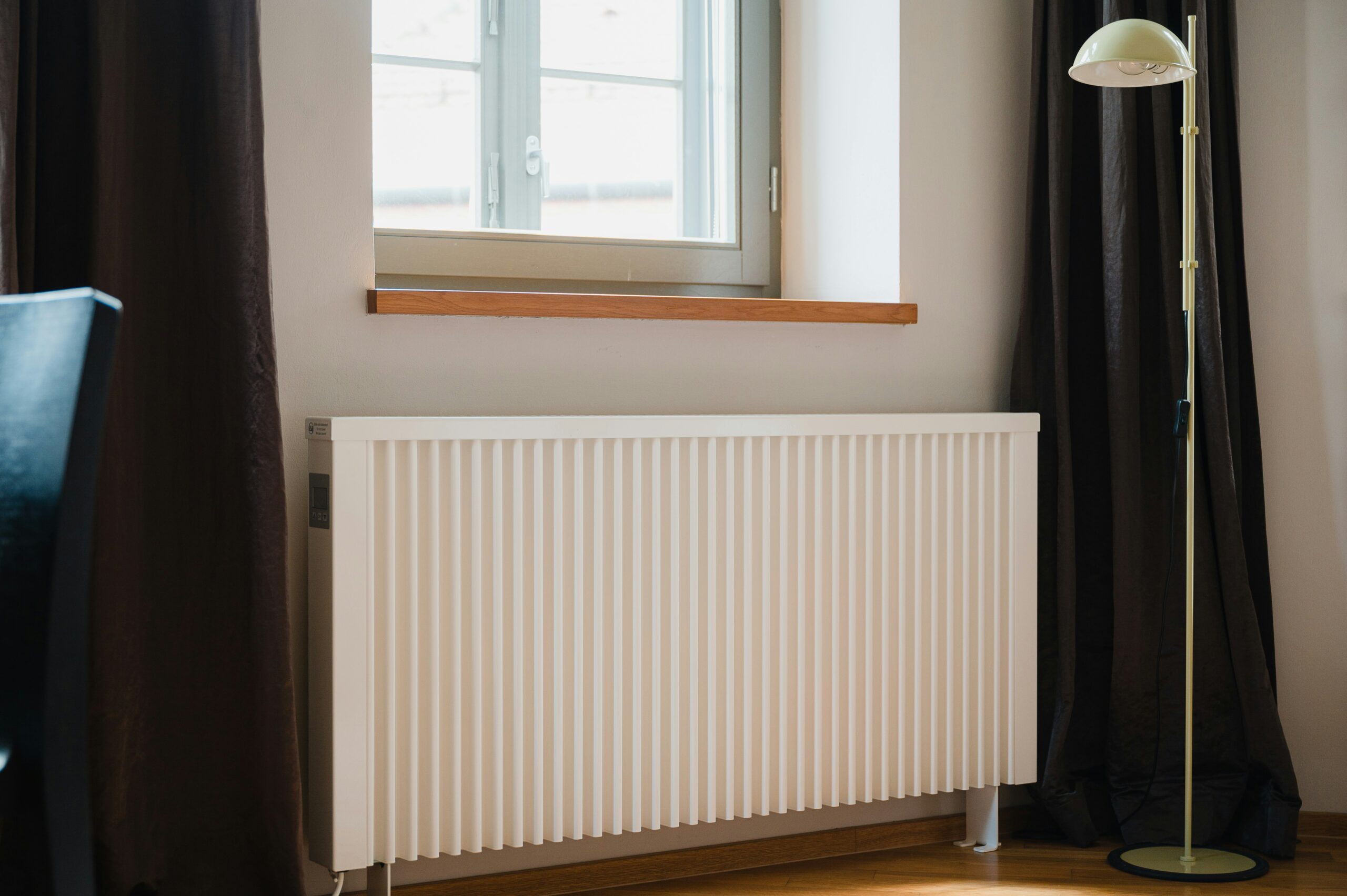
When it comes to choosing the right radiator for your home, the decision often narrows down to selecting between steel and aluminium radiators. Both materials have their own unique attributes, but which one provides better heating efficiency? As you consider your choice, you may want to explore a range of options available from stelrad radiators to find a solution that meets your needs. In this article, we will examine the characteristics of both steel and aluminium radiators to determine how each material performs in terms of heating efficiency.
Understanding Thermal Conductivity
One of the primary factors that influence a radiator’s efficiency is the thermal conductivity of the material. Thermal conductivity refers to a material’s ability to conduct heat. Aluminium is known for its high thermal conductivity compared to steel, which means that it can transfer heat more swiftly. This is particularly advantageous in homes where rapid heating is desired. Steel, while not as conductive as aluminium, retains heat for longer periods, making it effective for sustained warmth.
Heat Retention and Distribution
The ability to retain and distribute heat equally is another important factor to consider. Steel radiators tend to retain heat longer after the heating is turned off, which can be beneficial in maintaining a steady temperature in a room without constant energy use. Aluminium radiators, on the other hand, heat up and cool down quickly. This characteristic makes aluminium radiators ideal for spaces that require quick changes in temperature but may lead to less efficient heat retention over time.
Energy Efficiency and Environmental Impact
With growing concerns about energy consumption and environmental impact, selecting an efficient radiator can contribute to sustainability goals. Aluminium radiators often have lower water content, reducing the amount of energy required to heat the water inside. However, the energy efficiency advantage of aluminium can be offset by its potentially shorter lifespan compared to steel. Steel radiators are more durable and may not need to be replaced as often, reducing the frequency of production and waste.
Cost Considerations
Budget is, of course, a crucial aspect when choosing a radiator. Generally, steel radiators are more cost-effective compared to aluminium options. The initial investment for an aluminium radiator can be higher due to its material properties and manufacturing process. However, the long-term cost can even out if aluminium radiators reduce energy usage significantly, helping to offset the initial purchase price with savings on energy bills over time.
Design and Style Preferences
The aesthetic aspect also plays a significant role in choosing radiators. Aluminium radiators often come in sleek, modern designs that appeal to contemporary home styles. Steel radiators, while sometimes bulkier, offer durability and can complement a variety of interior designs with their classic look. The choice between the two may ultimately come down to personal style preferences and how the radiator fits with the décor of a particular space.
Ben Austin is the founder and CEO of Absolute Digital Media, a UK-based SEO and digital marketing agency established in 2008. The agency specialises in regulated industries including iGaming SEO, financial services, legal, and healthcare, and has accumulated over 175 industry awards. Ben has 17 years of hands-on experience in technical SEO, link acquisition, and search strategy for compliance-sensitive sectors. He writes on organic search, AI-driven visibility, and LLM citation optimisation.