(photo credit: Microsoft Stock Images)
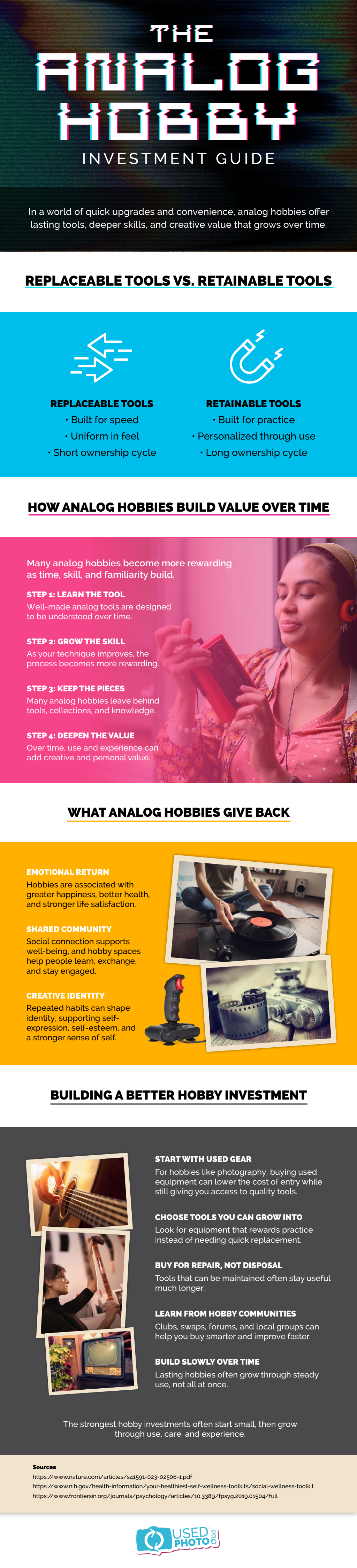
Analog hobbies continue to attract professionals who want meaningful activities outside the workplace. Film photography, woodworking, calligraphy, painting, model building, and vinyl record collecting offer opportunities to develop practical skills while stepping away from constant digital communication. From a business perspective, investing in an analog hobby is also an exercise in thoughtful purchasing, long-term planning, and asset management.
Start With Purpose Instead of Equipment
Many beginners make the mistake of purchasing expensive equipment before determining whether they truly enjoy the activity. A better approach is identifying what you hope to gain from the hobby. Some people want creative expression, while others seek stress relief, technical learning, or opportunities to connect with local communities.
Once the purpose is clear, purchasing decisions become much easier. Starting with entry-level equipment provides an opportunity to build skills before investing in premium tools that may not yet be necessary. Learning the fundamentals first often produces better results than buying the most advanced equipment available.
Focus on Long-Term Value
The lowest purchase price does not always represent the best investment. Durability, repairability, replacement part availability, and resale value all contribute to the total cost of ownership.
Many experienced hobbyists recommend purchasing quality equipment that can remain useful for years instead of replacing lower-quality products repeatedly. Before making larger purchases, compare product specifications, manufacturer support, and long-term operating costs. Research also helps buyers recognize which products maintain their value over time, making future upgrades more affordable.
Consider the Secondary Market
The resale market provides excellent opportunities for hobbyists who want reliable equipment without paying full retail prices. Purchasing previously owned items from reputable sellers often allows buyers to access higher-quality products within the same budget.
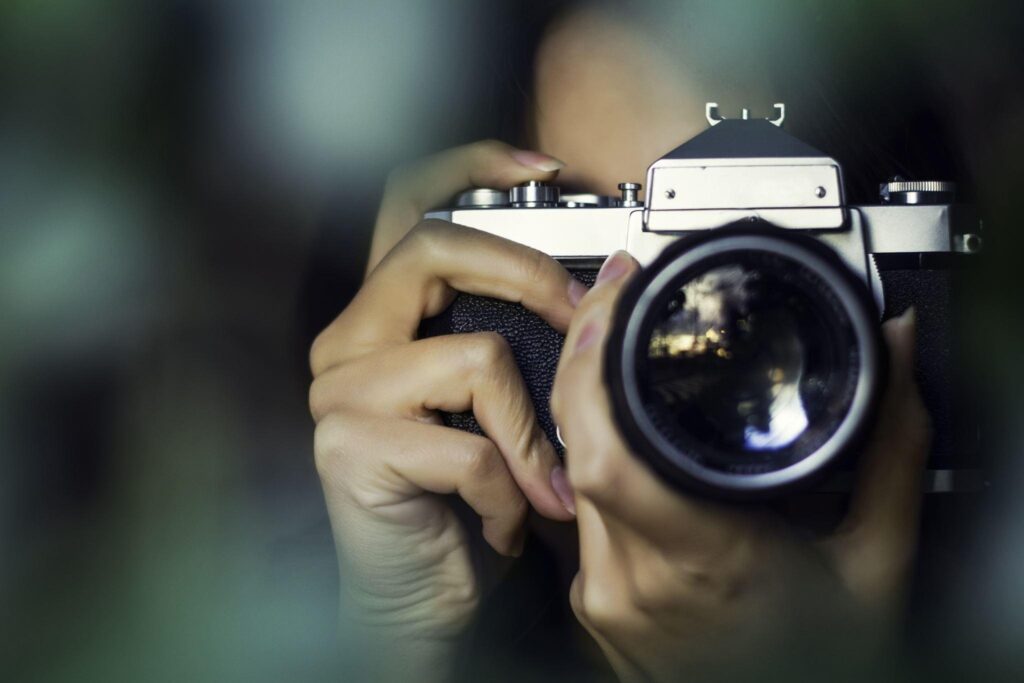
For example, photography enthusiasts frequently search for used Olympus cameras because many older models continue to deliver excellent image quality while remaining compatible with a wide selection of lenses and accessories. Evaluating equipment condition, shutter count when applicable, service history, and included accessories helps buyers make informed purchasing decisions. Buying secondhand also extends the useful life of well-built equipment and supports more sustainable consumption.
Budget Beyond the Initial Purchase
Every hobby includes ongoing costs that should be considered before investing. Film photography requires film and processing. Woodworking involves consumable materials and replacement blades. Painting requires brushes, canvases, and supplies that must be replenished over time.
Creating an annual hobby budget prevents impulse spending while making it easier to plan future upgrades. Tracking expenses also provides a realistic picture of how much the hobby costs each year. This approach encourages more intentional purchasing decisions while reducing unnecessary accumulation of unused equipment.
Invest in Learning
Knowledge often provides a greater return than equipment alone. Books, workshops, local classes, online tutorials, and community groups help hobbyists improve their skills more efficiently.
Developing stronger techniques frequently produces greater improvements than upgrading equipment. Learning from experienced practitioners also helps beginners avoid common mistakes that may lead to unnecessary purchases or frustration. Networking with other enthusiasts can also provide valuable recommendations about tools, maintenance, and buying strategies.
Think Like a Long-Term Investor
Successful hobby investments follow many of the same principles as successful business investments. Clear goals, careful research, realistic budgeting, and regular evaluation produce better outcomes than impulsive buying decisions.
An analog hobby should provide enjoyment while encouraging creativity and continuous learning. Selecting equipment thoughtfully, maintaining it properly, and upgrading only when genuine needs arise creates a rewarding experience that delivers value for many years. Whether the hobby becomes a lifelong passion or simply a welcome break from daily work, approaching it with a long-term perspective helps ensure every purchase supports both personal satisfaction and responsible financial decision-making. Check out the infographic below for more information.