
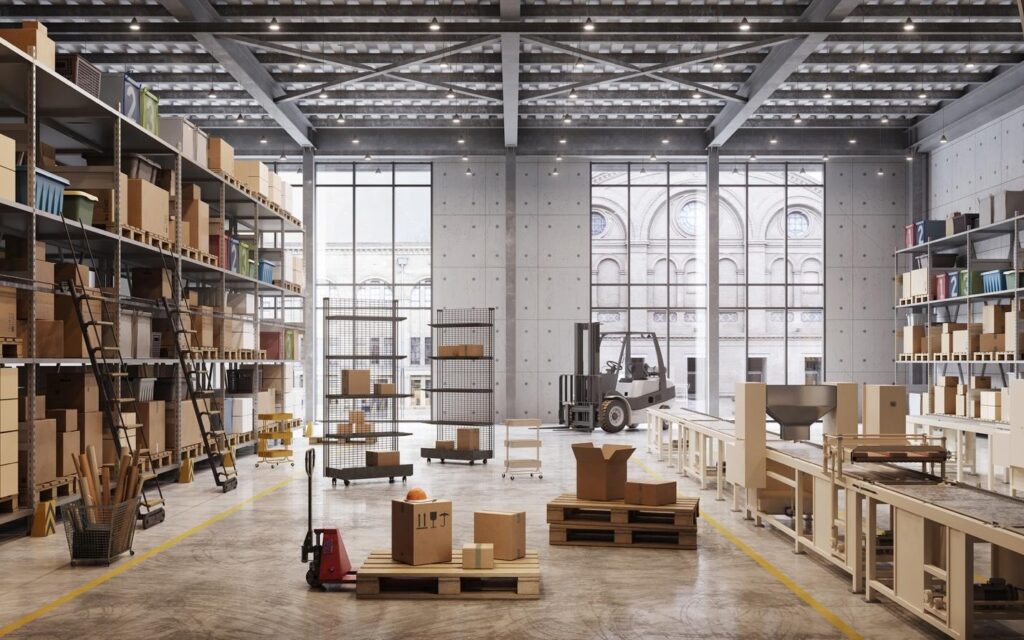
(photo credit: Microsoft Stock Images)
Product returns are a normal part of doing business, especially in e-commerce and retail. While returns can create operational challenges, they also provide opportunities to improve customer satisfaction, recover inventory value, and reduce unnecessary costs. Companies that manage returned goods efficiently can strengthen operations and improve profitability. Optimizing the flow of returned products requires clear processes, fast decision-making, and strong coordination across the supply chain.
Why Returned Goods Deserve Attention
Many businesses focus heavily on order fulfillment but give less attention to what happens after a product is returned. As return volumes increase, inefficient handling can lead to inventory delays, higher labor costs, and lost revenue.
Returned goods often move through multiple stages, including receiving, inspection, sorting, refurbishment, repackaging, and resale. Without a structured process, products can sit in warehouses for extended periods, reducing their value and creating storage challenges. A well-organized returns process helps businesses recover inventory faster and maintain better control over operations.
Create a Clear Returns Workflow
An effective returns strategy begins with a standardized workflow. Every returned item should follow a defined path from arrival to final disposition.
When products arrive, they should be logged into the inventory system quickly. Accurate tracking allows teams to identify product status, customer information, and return reasons. Early visibility helps reduce confusion and prevents products from becoming misplaced.
Clear procedures also support consistency across locations and departments. Employees can process returns more efficiently when expectations and responsibilities are well documented.
Improve Inspection and Sorting Processes
Inspection is one of the most important stages of returns management. Businesses must determine whether an item can be resold, repaired, recycled, or discarded. Fast and accurate evaluations help prevent bottlenecks. Employees should have clear guidelines for assessing product condition and assigning the correct disposition category.
Sorting products immediately after inspection reduces handling time and helps move inventory to its next destination faster. Products that are ready for resale can return to available inventory sooner, while damaged items can be routed for repair or recycling.
Use Data to Identify Return Patterns
Returns data provides valuable insight into customer behavior and product performance. Analyzing return reasons can help businesses identify recurring issues that affect profitability.
For example, frequent returns may indicate inaccurate product descriptions, packaging problems, manufacturing defects, or shipping damage. Addressing these issues at the source can reduce future return volumes.
Performance metrics such as processing time, recovery rates, and return costs can also help leaders evaluate the effectiveness of current procedures. Data-driven decisions often lead to more efficient operations and lower expenses.
Strengthen Inventory Recovery Efforts
The speed of inventory recovery directly affects financial performance. Products that remain in returns processing for long periods tie up capital and occupy valuable warehouse space.
Businesses should prioritize getting eligible products back into inventory as quickly as possible. Automated tracking systems and integrated inventory software can help accelerate this process.
Companies that sell through online marketplaces may also work with a Fulfillment by Amazon prep service to prepare returned inventory for resale according to marketplace requirements. Efficient recovery processes help maximize the value of returned goods and reduce waste.
Coordinate Across Departments
Returns management affects multiple areas of a business, including customer service, warehouse operations, inventory management, finance, and logistics. Strong communication between these teams helps create a smoother process.
Customer service teams can provide information about return reasons, while warehouse personnel manage inspections and inventory updates. Finance teams may track recovery rates and return-related costs. When departments share accurate information, businesses can respond more quickly to issues and improve overall efficiency.
Returned goods management is more than a logistical necessity. It is an important part of inventory control, customer satisfaction, and operational performance. Businesses that create clear workflows, improve inspection processes, analyze returns data, and recover inventory quickly can reduce costs and increase efficiency. A structured approach to returned goods helps companies turn a common business challenge into a valuable operational advantage. Look over the infographic below to learn more.
