
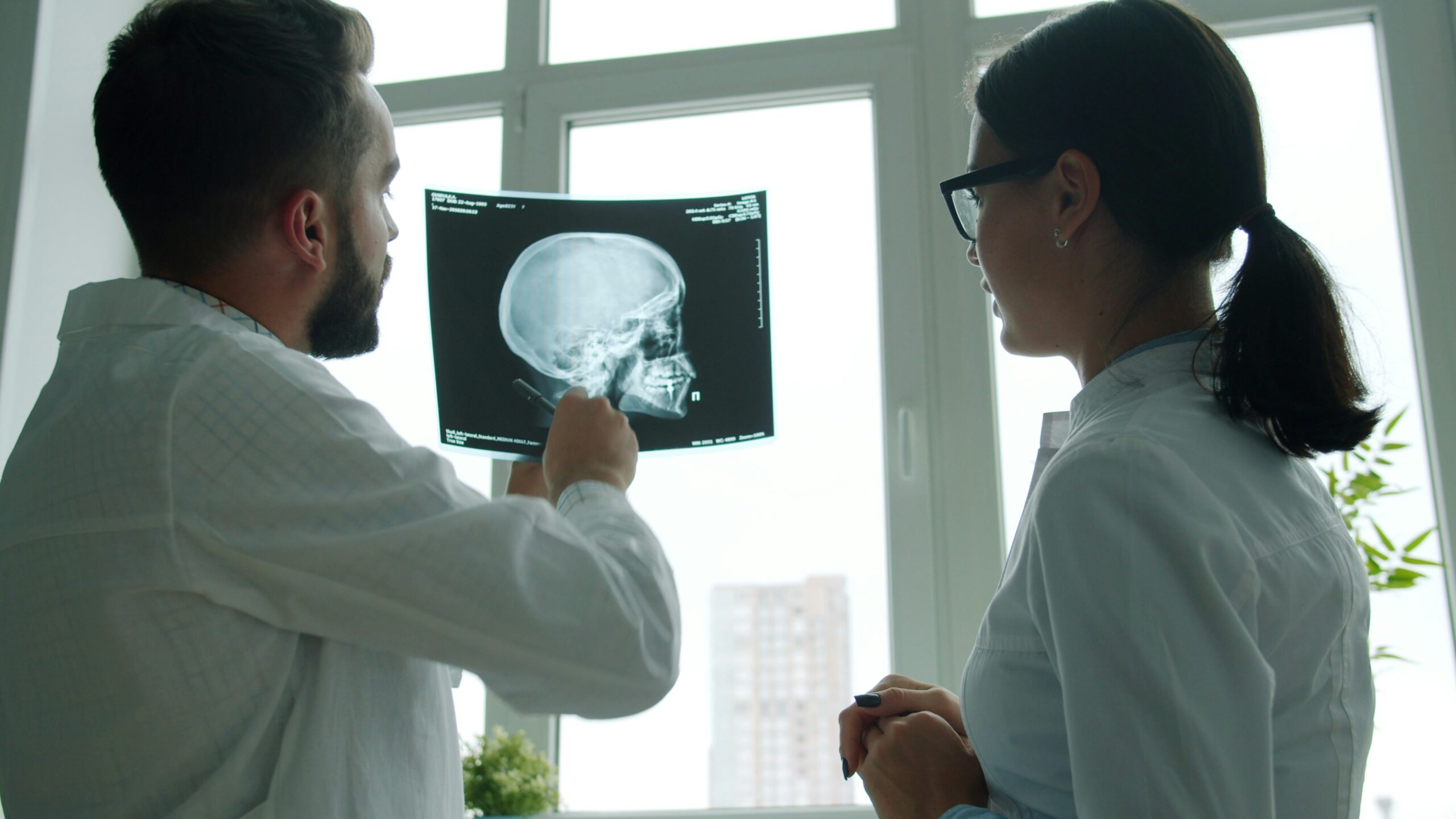
Brain injuries are among the most serious outcomes of workplace accidents. Even when the injury seems mild at first, the effects can last far beyond the initial recovery period. Many workers are not prepared for how deeply a brain injury can affect their health, career, and daily life.
Workplace accidents happen across many industries in California. Riverside is a growing area with construction sites, warehouses, transportation hubs, and manufacturing facilities.
These environments often involve heavy equipment and physical labour, which increases the risk of head injuries. In such cases, a Riverside brain injury attorney often helps injured workers understand the long-term impact of these injuries and their legal options.
Understanding Workplace Brain Injuries
A brain injury occurs when a sudden impact, fall, or blow disrupts normal brain function. In the workplace, this can happen due to falls from heights, being struck by objects, vehicle accidents, or equipment malfunctions.
Some brain injuries are immediately obvious, while others develop symptoms over time. Even a mild traumatic brain injury can lead to lasting problems if not treated properly.
Cognitive Challenges That May Last for Years
One of the most common long-term effects of brain injuries is cognitive impairment. These issues affect how the brain processes information.
Workers may experience trouble with memory, focus, or problem-solving. Tasks that once felt easy may become frustrating or exhausting. Over time, these challenges can affect job performance and confidence.
Emotional and Behavioural Changes
Brain injuries often affect emotional control and behaviour. These changes can be difficult for both the injured worker and their family to understand.
Common emotional effects include mood swings, anxiety, depression, and irritability. Some people feel more impulsive or withdrawn than before. These changes are not personality flaws. They are often direct results of brain trauma.
Physical Limitations and Chronic Symptoms
Many workers with brain injuries experience ongoing physical symptoms. These issues may persist even after the initial injury heals.
Long-term physical effects may include:
- Frequent headaches
- Dizziness or balance problems
- Sensitivity to light or noise
- Fatigue that limits daily activity
These symptoms can interfere with both work and personal life. In severe cases, they may prevent a return to the same job.
Impact on Employment and Income
Brain injuries can significantly affect a worker’s ability to earn a living. Some individuals may need reduced hours, job modifications, or a complete career change.
Workers may struggle with:
- Slower work pace
- Difficulty following instructions
- Increased errors on the job
This can lead to lost income or long-term financial stress. For some, returning to the workforce may not be possible at all.
Effects on Relationships and Daily Life
The consequences of a brain injury often extend beyond the workplace. Family members may notice changes in communication, patience, or emotional connection.
Daily activities like driving, managing finances, or maintaining social relationships can become challenging. This shift can place strain on marriages, parenting, and friendships.
The Importance of Ongoing Medical Care
Brain injuries often require long-term medical care. This may include neurological treatment, physical therapy, counselling, or cognitive rehabilitation.
Ongoing care helps manage symptoms and improve quality of life. Stopping treatment too soon can slow progress or worsen long-term outcomes.
Why Documentation and Early Action Matter
Medical records play a major role in showing how a brain injury affects a worker over time. Consistent treatment records help demonstrate the seriousness of the injury and its lasting impact.
Delays in treatment or gaps in care can make recovery harder and create challenges when seeking benefits or compensation. Early action helps protect both health and future stability.
Living With the Long-Term Effects
Adjusting to life after a workplace brain injury takes time. Many workers need support, patience, and realistic expectations during recovery.
Education, therapy, and workplace accommodations can help improve independence. With the right support, some workers are able to rebuild routines and regain confidence, even if life looks different than before.
Final Key Takeaways
- Brain injuries can have lasting cognitive, emotional, and physical effects.
- Symptoms may appear gradually over time.
- Work ability and income are often affected.
- Relationships and daily routines may change.
- Long-term medical care is often necessary.
- Early treatment and documentation are critical.
Brain injuries from workplace accidents can change a person’s life in lasting ways. Understanding the long-term consequences helps injured workers and families prepare, seek proper care, and make informed decisions for the future.