
Floors don’t usually get much attention until something feels off. Maybe they start looking dull, or scuff marks become harder to ignore. In busy commercial spaces, that shift happens gradually, then all at once.
In places like White Plains, where foot traffic can be steady and unpredictable depending on the business, floors tend to carry more wear than expected. That’s where waxing services come in. Not just to improve how things look, but to restore a level of protection that often goes unnoticed until it’s gone.
Once the work is done, though, the results aren’t always just visual. There’s a broader impact that shows up over time.
1. A Noticeable Change in Surface Appearance
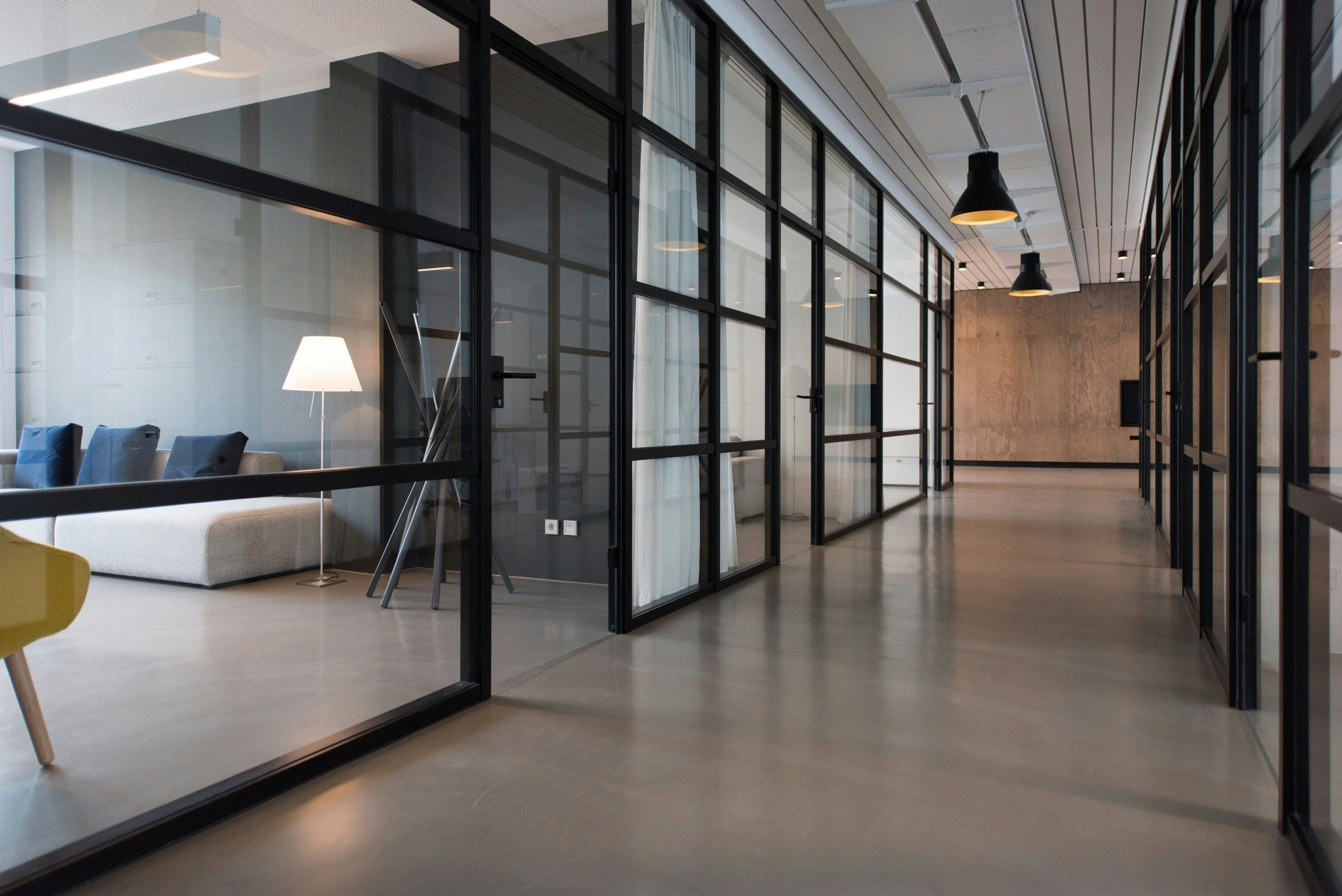
The first thing most people notice is how different the floor looks. There’s a clarity to it. Light reflects more evenly, colors appear richer, and the overall space feels more put together.
But it’s not just about shine. A properly waxed floor has a uniform finish that smooths out minor imperfections. Scratches become less visible, and worn areas blend back into the surface.
It’s the kind of change that doesn’t require explanation. You walk in, and it just feels cleaner.
2. A Protective Layer That Takes the Impact
Waxing isn’t only about how a floor looks. It adds a protective layer that absorbs everyday wear before it reaches the surface underneath. Foot traffic, furniture movement, and small debris all create gradual damage, even if it’s not immediately visible. Over time, that impact builds up. With a waxed layer in place, the pressure is redirected, helping the floor maintain its condition longer. This is often where businesses start considering options like commercial cleaning near White Plains, especially when the focus shifts toward preserving surfaces rather than repeatedly restoring them.
Once that shift takes place, floor care stops being about occasional fixes and starts leaning on consistency. Keeping that protective layer intact requires ongoing attention rather than a one-off treatment. In that context, services like ABS/CBS often enter the conversation, especially for businesses focused on long-term upkeep instead of reacting once wear becomes noticeable.
3. Easier Day-to-Day Cleaning
Once a floor is properly waxed, routine cleaning becomes noticeably easier. Dirt and debris don’t settle into the surface the same way, and spills are less likely to leave lasting marks.
This changes how the space is maintained day to day. Sweeping becomes more effective. Mopping takes less effort. Even small cleaning tasks feel more manageable.
It doesn’t eliminate the need for regular cleaning, but it reduces the effort required to keep things looking consistent. And over time, that adds up.
4. Reduced Visible Wear in High-Traffic Areas
Certain areas always take more impact. Entryways, hallways, common walkways. These spots tend to show wear faster than the rest of the space.
After waxing, that wear doesn’t disappear, but it becomes less visible. The finish helps distribute traffic marks more evenly, which prevents those obvious “paths” from forming as quickly.
It’s a subtle difference, but it changes how the entire space feels. Instead of looking worn in sections, the floor maintains a more balanced appearance. That consistency matters, especially in environments where presentation plays a role.
5. Improved Safety and Surface Grip
There’s a common assumption that waxed floors become slippery. In reality, when done properly, the opposite is often true.
Professional waxing includes controlled application and proper finishing, which can improve traction rather than reduce it. The surface becomes smoother, but not slick.
It’s one of those details that isn’t always immediately noticeable, but it contributes to how people move through the space. Less hesitation, fewer slips, more confidence in footing. That’s especially important in high-traffic commercial environments.
6. A Maintenance Cycle That Becomes More Predictable
One of the longer-term outcomes of floor waxing is predictability. Instead of reacting to visible damage or sudden wear, maintenance becomes more structured.
You start to see patterns. When the finish begins to fade, when reapplication might be needed, how the floor responds over time.
That shift makes planning easier. Budgets, schedules, expectations. Everything becomes more manageable because the process is no longer reactive. It’s less about fixing problems and more about staying ahead of them.
Final Thoughts
Floor waxing tends to be seen as a one-time improvement. Something you do when things start to look worn. But the impact goes beyond that initial change.
It affects how the floor holds up, how it’s maintained, and how the space feels on a daily basis. Some of those changes are immediate. Others show up gradually, in the way the surface responds to everyday use. And once you notice the difference, it’s hard to go back to ignoring it.