
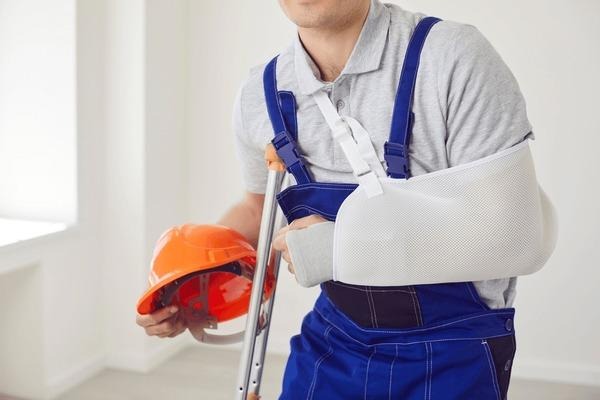
You may be eligible for workers’ compensation if you’re an employee who suffered a work-related injury or illness while performing your job duties. In Minnesota, workers’ compensation operates as a no-fault system, which means you generally don’t have to prove your employer did anything wrong to qualify for benefits.
Minneapolis, Minnesota, is a major hub for healthcare, manufacturing, retail, transportation, and corporate employment. The city is home to hundreds of thousands of workers across a wide range of industries. Like workers throughout Minnesota, Minneapolis employees are protected by state workers’ compensation laws when qualifying workplace injuries occur.
If you’re unsure whether your injury qualifies or you’re facing challenges with a claim, speaking with a highly experienced workers’ comp attorney in Minneapolis can help you understand your rights and available benefits.
What are the Three Basic Requirements for Workers’ Compensation?
Most workers must meet three key requirements to qualify for workers’ compensation benefits:
1. You Must Be an Employee
Workers’ compensation is generally available to employees who perform services in exchange for pay. This includes full-time employees, part-time employees, minors, and many non-citizen workers.
However, independent contractors, volunteers, and certain other worker classifications are usually not covered under standard workers’ compensation rules. Because worker classification can sometimes be disputed, it’s important to understand how your employment relationship is defined.
2. Your Employer Must Carry Workers’ Compensation Insurance
Minnesota requires nearly all employers to carry workers’ compensation insurance or obtain approval to self-insure. Under Minnesota Statutes § 176.181, Subdivision 2, even employers with only one part-time employee are generally required to provide coverage.
This requirement exists to ensure injured workers can access medical and wage-loss benefits after a qualifying workplace injury.
3. Your Injury Must Be Work-Related
To qualify, your injury or illness must be connected to your employment. The injury does not have to result from a single accident.
Workers’ compensation may cover:
- Traumatic injuries from falls, equipment accidents, or vehicle crashes
- Repetitive stress injuries such as carpal tunnel syndrome
- Occupational illnesses caused by workplace exposure
- Certain mental health injuries, including qualifying PTSD claims
Under Minnesota Statutes Chapter 176, employment activities only need to be a substantial contributing factor to the injury or need for medical treatment.
What Types of Workers Qualify for Compensation?
Many workers assume benefits are limited to dangerous occupations, but that’s not the case. Workers’ compensation may apply to:
- Full-time employees
- Part-time employees
- Union employees
- Minor employees
- Non-citizen workers
As long as the injury is work-related and other eligibility requirements are met, coverage may be available.
What Should You Do After a Workplace Injury?
Taking the right steps after an injury can protect your claim.
- Report the injury as soon as possible.
- Seek appropriate medical treatment
- Follow your employer’s reporting procedures.
- Keep copies of medical records and accident documentation
- Maintain records of missed work and related expenses
What Benefits Can Workers’ Compensation Cover?
Once a claim is approved, workers’ compensation may provide several types of benefits.
These can include payment for reasonable medical treatment, wage-loss benefits if you’re unable to work, vocational rehabilitation services, and compensation for permanent injuries in certain situations.
The exact benefits available depend on the nature and severity of the injury.
Final Takeaways
- Workers’ compensation is available for many work-related injuries and illnesses.
- Minnesota uses a no-fault workers’ compensation system.
- You generally must be an employee to qualify.
- Most Minnesota employers are required to carry workers’ compensation insurance.
- Work activities must be a substantial contributing factor to the injury.
- Coverage may include traumatic injuries, repetitive injuries, occupational diseases, and some mental health conditions.
- Reporting the injury quickly can help protect your claim and benefits.