
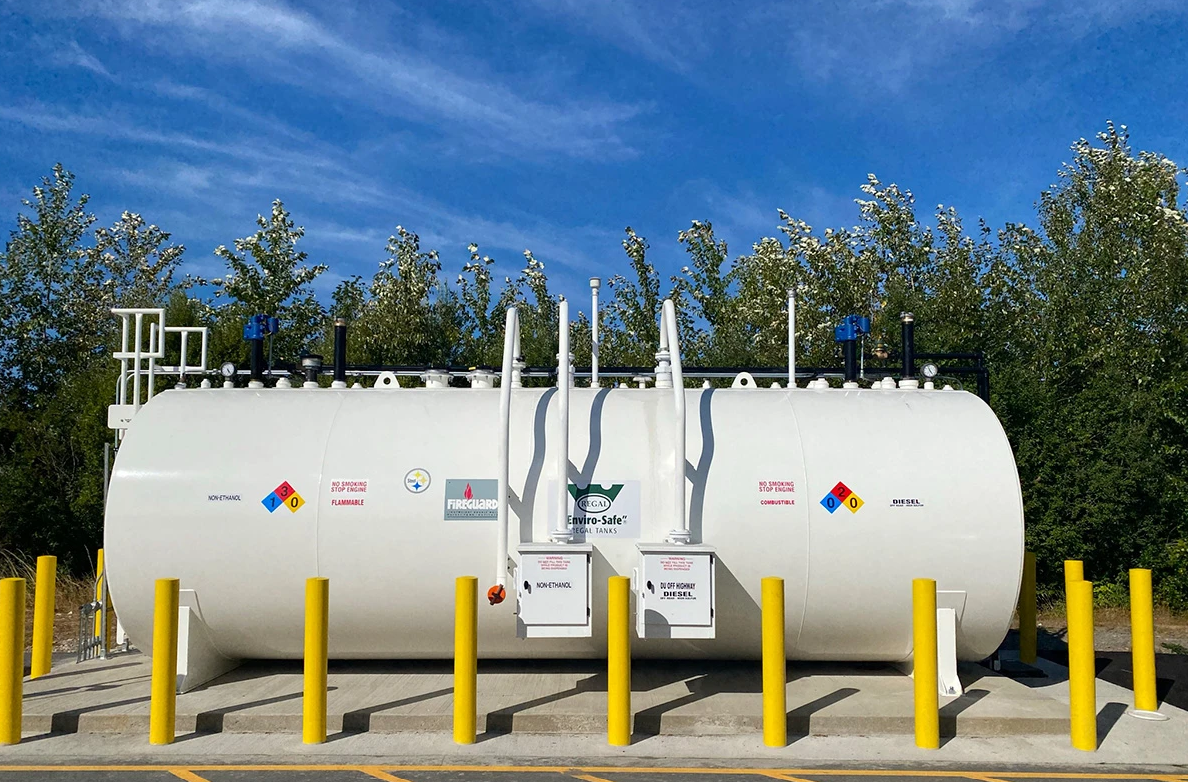
Industrial facilities are shifting more of their storage capacity above the surface, and there are good reasons for it. As regulations tighten and environmental expectations rise, above ground storage tanks offer a safer, more manageable, and more cost-efficient alternative to buried systems. They provide full visibility, easier access, and fewer long-term risks, making them a preferred choice for companies that want better oversight of their fuel, chemical, or process-liquid storage.
Unlike underground tanks, which hide their condition beneath layers of soil, above-ground units allow operators to see corrosion, leaks, or damage as it develops. This visibility alone dramatically improves maintenance outcomes. It reduces the likelihood of catastrophic failures and supports a more controlled operational environment, where tanks are monitored, repaired, and cleaned without the complexities that come with excavation.
How Above-Ground Tanks Reduce Environmental Risk
A key advantage of moving storage systems above ground is the reduced environmental hazard. When issues occur underground, they can go undetected for years. Contamination spreads, groundwater becomes affected, and cleanup becomes a major logistical and financial burden. With above ground storage tanks, detection happens early and mitigation is immediate.
Operators can inspect every surface, monitor fittings and valves, and identify corrosion as it forms. When damage is visible, repairs are far simpler. Early intervention prevents leaks, reduces regulatory problems, and keeps the facility on the right side of environmental compliance. This direct oversight is one of the main reasons industries continue shifting toward above-ground systems.
Why Maintenance Is Far Easier Above the Surface
Maintenance is one of the biggest ongoing responsibilities for any storage system. Tanks require cleaning, inspections, repairs, and safety assessments to stay compliant. These tasks become far more manageable when the tank sits above ground rather than buried beneath it.
Facilities benefit from easier access to:
- Exterior walls for corrosion checks
- Weld seams that may weaken over time
- Valves, vents, gauges, and piping systems
- Structural components supporting the tank
- Coatings that need reapplication or reinforcement
Because above ground storage tanks don’t require excavation, maintenance teams can address issues immediately. This reduces downtime, lowers long-term maintenance costs, and makes it easier to stay ahead of regulatory requirements.
The Role of Inspections in Extending Tank Life
Inspections serve as the foundation for tank longevity. Above-ground tanks allow inspectors to perform detailed evaluations without needing to disrupt the site through digging or heavy equipment. Visual inspections alone reveal far more on above-ground systems than they ever could underground.
Professional inspections often include structural assessments, weld examinations, coating checks, and measuring wall thickness. Inspectors can also identify early signs of tank settlement or movement, which could compromise safety. With above ground storage tanks, the entire inspection process becomes more efficient, more accurate, and more cost-effective.
How Above-Ground Tanks Support Better Operational Efficiency
Beyond regulatory compliance and maintenance convenience, above-ground tanks improve day-to-day operations. Their placement allows smoother integration with pumps, pipelines, and monitoring technology. Facilities can make faster adjustments, track inventory more accurately, and respond to changes in demand with greater flexibility.
Operators gain advantages such as cleaner flow control, simpler monitoring, and faster troubleshooting. When a tank is visible and accessible, operational hiccups can be corrected quickly. This reliability matters to industrial facilities that depend on consistent, uninterrupted workflow.
Why Above-Ground Tanks Offer More Flexibility
Industrial sites evolve over time—equipment moves, production areas expand, and storage needs change. Above-ground tanks make these adjustments easier. They can be relocated, resized, or replaced far more easily than underground systems, which require excavation, soil remediation, and extensive operational disruption.
Facilities value the flexibility of:
- Adding new tanks as storage needs grow
- Replacing aging tanks with updated models
- Repositioning tanks to improve site layout
- Upgrading piping systems without major construction
These advantages make above ground storage tanks ideal for businesses that anticipate change or expansion.
The Cost Efficiency of Above-Ground Systems
Cost plays a major role in storage decisions, and above-ground tanks deliver savings at multiple stages of their lifecycle. Installation is faster and less expensive than underground systems. Maintenance requires less specialized excavation equipment. Inspections take less time and fewer resources. And when it’s time for replacement, the process is straightforward.
Environmental liability is also significantly reduced. If a leak does occur, containment is easier and cleanup is far less complicated. These cost advantages make above-ground tanks one of the most financially responsible choices for long-term storage.
How Modern Above-Ground Storage Improves Safety
Safety is paramount in industrial facilities, and above-ground systems make it easier to manage. Workers can access every component without entering confined spaces or excavating soil. Tanks can be surrounded by physical barriers, mounted on secure foundations, and monitored using sensors, cameras, and automated inspection tools.
Facilities also benefit from better emergency planning. With above ground storage tanks, any potential risk can be addressed quickly. Emergency response teams can see the tank, access it without delay, and mitigate hazards before they escalate.
Above-Ground Tanks as a Long-Term Investment
When a business invests in an above-ground tank, it invests in visibility, control, and predictable maintenance. These systems support cleaner operations, reduce risk, and provide the flexibility modern facilities need to grow and adapt. They deliver long-term value by avoiding the hidden dangers and unpredictable costs associated with underground storage.
For industrial sites seeking reliability, accessible maintenance, and enhanced safety, above ground storage tanks continue to stand out as one of the smartest choices for long-term storage strategy.