
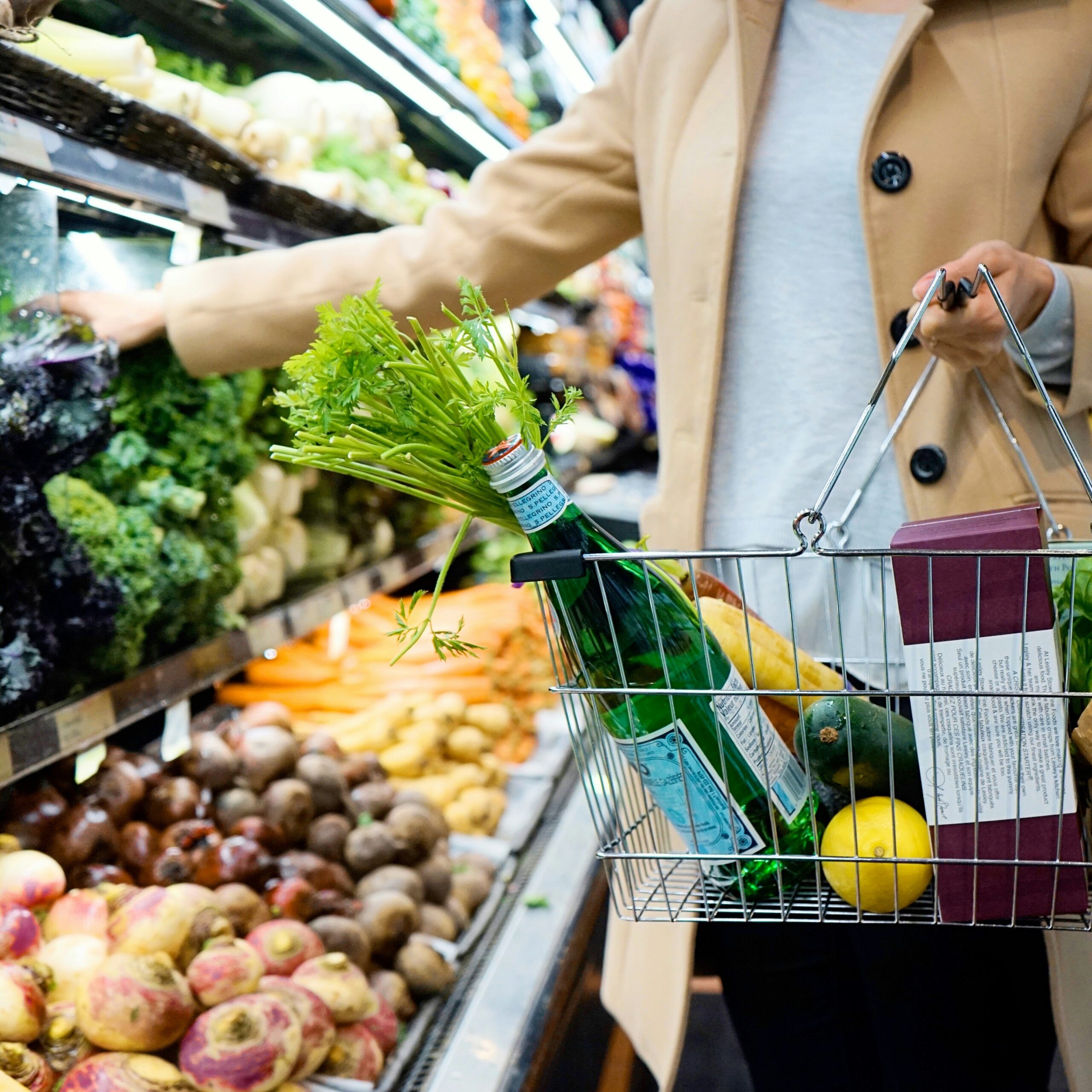
Food prices have become less predictable in recent years. Costs can rise or fall quickly, which makes planning harder for businesses. Restaurants, retailers, and suppliers all feel the impact. Even small changes can affect profit margins and pricing decisions. These shifts are not random. They are driven by a mix of global and local factors that influence supply and demand. Recognizing these patterns can help businesses respond with more confidence.
Supply Chain Disruptions
Food production depends on complex supply chains. Crops must be grown, processed, transported, and stored before reaching the consumer. When any part of this chain is disrupted, prices can change.
Weather events, transportation delays, and labor shortages can all limit supply. For example, a drought can reduce crop yields, while shipping delays can slow distribution. These disruptions often lead to higher prices, especially when demand remains steady.
Businesses must track these issues closely. Early awareness allows for better planning and sourcing decisions.
Rising Production Costs
The cost of producing food has increased in several areas. Fuel prices affect transportation and equipment use. Fertilizer and feed costs impact farmers directly. Labor expenses also continue to rise in many regions.
When production costs increase, those changes often pass through the supply chain. Retailers and restaurants may need to adjust prices to maintain margins. This can be challenging when customers are sensitive to price changes.
Some producers are also investing in risk management tools, such as beef farm insurance, to protect against losses tied to weather or market shifts. These measures help stabilize operations but can add to overall costs.
Changes in Consumer Demand
Consumer behavior plays a major role in price volatility. Demand can shift quickly based on trends, income levels, and economic conditions. For example, increased interest in plant-based foods or organic products can affect pricing across categories.
During periods of economic uncertainty, consumers may change their spending habits. Some may choose lower-cost options, while others may reduce overall spending. These shifts can lead to sudden changes in demand, which then affect pricing.
Businesses that track customer behavior can adjust more effectively. Knowing what customers want helps guide purchasing and pricing strategies.
Global Market Influences
Food markets are connected across countries. Events in one region can affect prices in another. Trade policies, currency changes, and geopolitical events all play a role.
For example, export restrictions or tariffs can limit supply in certain markets. Currency changes can make imports more expensive. These factors can lead to price swings that are difficult to predict.
Companies that rely on imported goods are especially exposed to these risks. Monitoring global trends helps reduce surprises.
Inventory and Storage Challenges
Managing inventory is more difficult when prices are unstable. Holding too much stock can tie up cash, while holding too little can lead to shortages. Businesses must find a balance that supports both cost control and product availability.
Storage conditions also matter. Perishable goods require careful handling to prevent waste. When storage or transportation fails, losses increase, which can push prices higher.
Improving inventory systems and forecasting methods can help reduce these risks. Better data leads to better decisions.
Adapting to Ongoing Price Changes
Businesses cannot control all factors that influence food prices, but they can adjust how they respond. Flexible pricing strategies, diversified suppliers, and careful planning all support stability.
Clear communication with customers is also important. Explaining price changes can build trust and reduce frustration. Transparency helps maintain relationships during uncertain periods.
Food price volatility is likely to continue as global and local factors evolve. Businesses that stay informed and adaptable are better prepared to manage these changes. With the right approach, it is possible to maintain stability even when prices shift. For more information, look over the accompanying infographic below.
