
For a long time, a lot of career-driven people treated training and work like two separate things. Work was where results mattered. Training was something you squeezed in before work, after work, or not at all. That split feels less useful now. More people are starting to look at energy, recovery, and physical focus as part of doing better work, not as something extra.
The Old Way Looked Productive, But It Burned People Out
For years, the usual answer sounded simple. Start earlier. Push harder. Keep going. Fit one more thing into the day and hope it holds.
That can work for a while. A full calendar looks serious. Early mornings look disciplined. A packed week can even feel impressive from the outside. But plenty of people know what happens after that. The work still gets done, but the brain feels slower. Small things feel heavier. Patience gets shorter. By the end of the week, even basic decisions take more effort than they should. That is part of what workplace fatigue does. It is not only about feeling tired. It can affect focus, reaction time, and decision-making, too.
That is a big part of why people are rethinking the whole setup now. Not because they care less about work, but because they want to hold up better inside it. The question is not only how much they can get through in a day. It is how well they can keep showing up without feeling wrecked by Thursday.
The Better Question Is What You Can Repeat
A lot of career advice still rewards the dramatic version of discipline. The person who is up before sunrise. The person who works through lunch. The person who treats exhaustion like proof of commitment.
The people who hold up better are often not the ones doing the most at once. They are usually the ones who found something they can repeat. Their week still has pressure in it. Their work still matters. But they are not asking their body and brain to survive constant chaos.
That shift changes how training fits in, too. Instead of always going for the hardest workout, more people want something they can keep coming back to without throwing the rest of the day off. That matters more than it sounds. A routine only helps if it survives a normal week.
Training Has Started To Look More Practical
This is where things have changed most. People are not only choosing workouts based on calories, trends, or what looks intense online. They are paying more attention to what actually fits a working life.
That often means movement that feels strong, but not wild. Something challenging, but still controlled. Something that helps the body feel switched on instead of flattened.
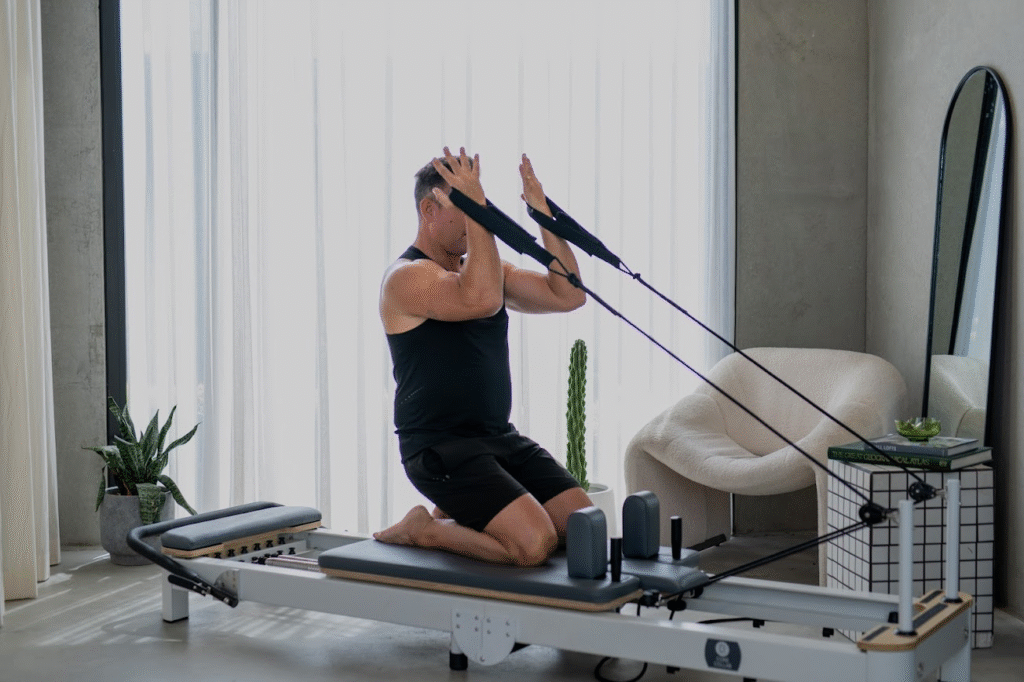
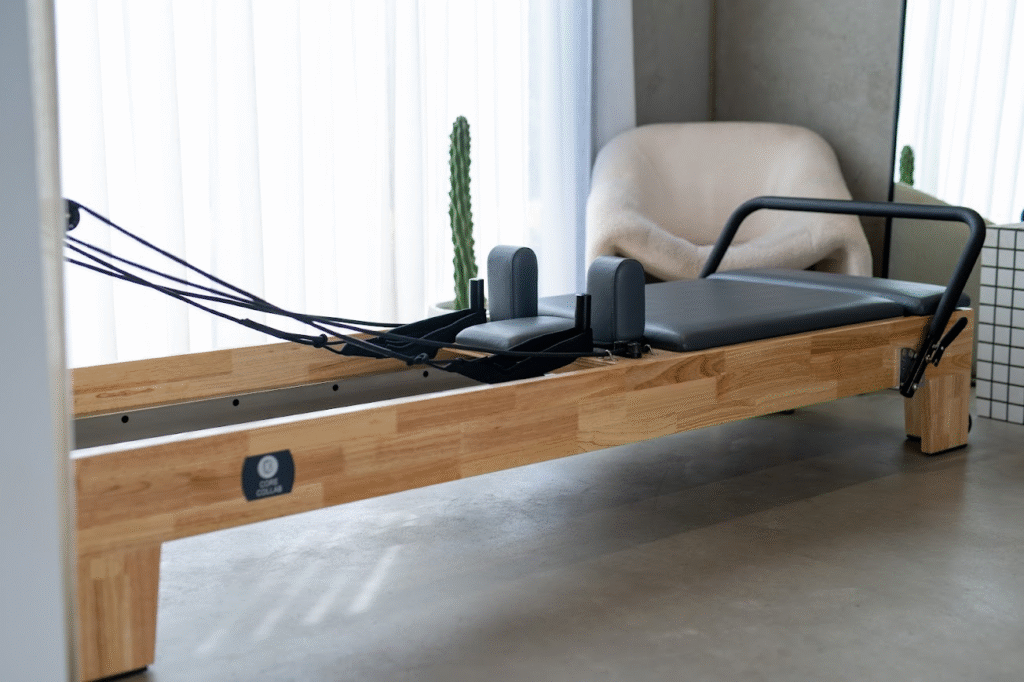
That is one reason machine-based training keeps coming up in these conversations. When people look at megaformer vs reformer training, they are often really deciding between two different kinds of effort. One usually feels tougher and more endurance-based. The other tends to feel steadier, more controlled, and easier to fit around a busy week.
For some, that means they want the tougher option. For others, it means they want something steadier that still asks the body to work. Either way, the thinking has become more specific.
People Want Training That Does Not Fight The Rest Of The Day
A lot of career-driven people are not looking for a workout that takes everything out of them. They still have meetings. They still have deadlines. They still need to think clearly once the session is over.
That is why lower-impact strength work makes more sense to a lot of people now. It can still feel hard, but it does not always take so much out of you. You can train properly and still have enough left for the rest of the day.
That balance matters. It is one thing to finish a session feeling like you did something useful. It is another thing to finish it and feel half useless at your desk two hours later. More people are starting to care about that difference. Exercise can support thinking skills too, which helps explain why more people want training that leaves them feeling clearer, not flatter, for the rest of the day.
Home Setups Are Part Of The Shift Too
There is another reason this change is happening. More people are building part of their routine at home.
That makes sense for obvious reasons. Commutes take time. Class schedules do not always line up. The perfect free hour usually does not appear when you need it. A habit that depends on ideal timing gets dropped very quickly once work gets messy.
A home setup changes that. It removes some of the friction. It shortens the gap between thinking about movement and actually doing it. That does not mean everyone needs a full home gym. It can be much simpler than that. But it does mean that easier access usually leads to better follow-through.
That is one reason people are looking more closely at equipment now. Not in a flashy way. In a practical one. They want something that fits their routine, their space, and the kind of training they can actually keep.
The Body Changes The Quality Of Work More Than People Admit
This part is easy to ignore until it becomes obvious. When the body feels tight, drained, or run down, work usually gets worse in small ways first.
Focus slips faster. Meetings feel longer. Emails get more careless. Decisions take more energy. You have less patience for difficult conversations. None of it looks huge from the outside, but it builds up.
That is why this shift is not only about fitness. It is about work quality. More people are starting to notice that the body is not sitting outside the job. It is part of the job. Energy, concentration, mood, and consistency all run through it.
Repeatable Beats Extreme
The old model admired extremes. Long hours. Harder sessions. More pressure. Less rest. The newer model is quieter than that.
It asks a better question. What can you actually keep doing? For a lot of people, the answer is not dramatic. It is a routine that fits the week instead of hijacking it. It is movement that helps rather than drains. It is choosing a kind of training that supports work instead of competing with it.
That is why more career-driven people are rethinking the way they train and work. They are not becoming less ambitious. They are just getting more honest about what holds up. And usually, the thing that lasts is not the most intense option. It is the one that still works when the week gets hard.