
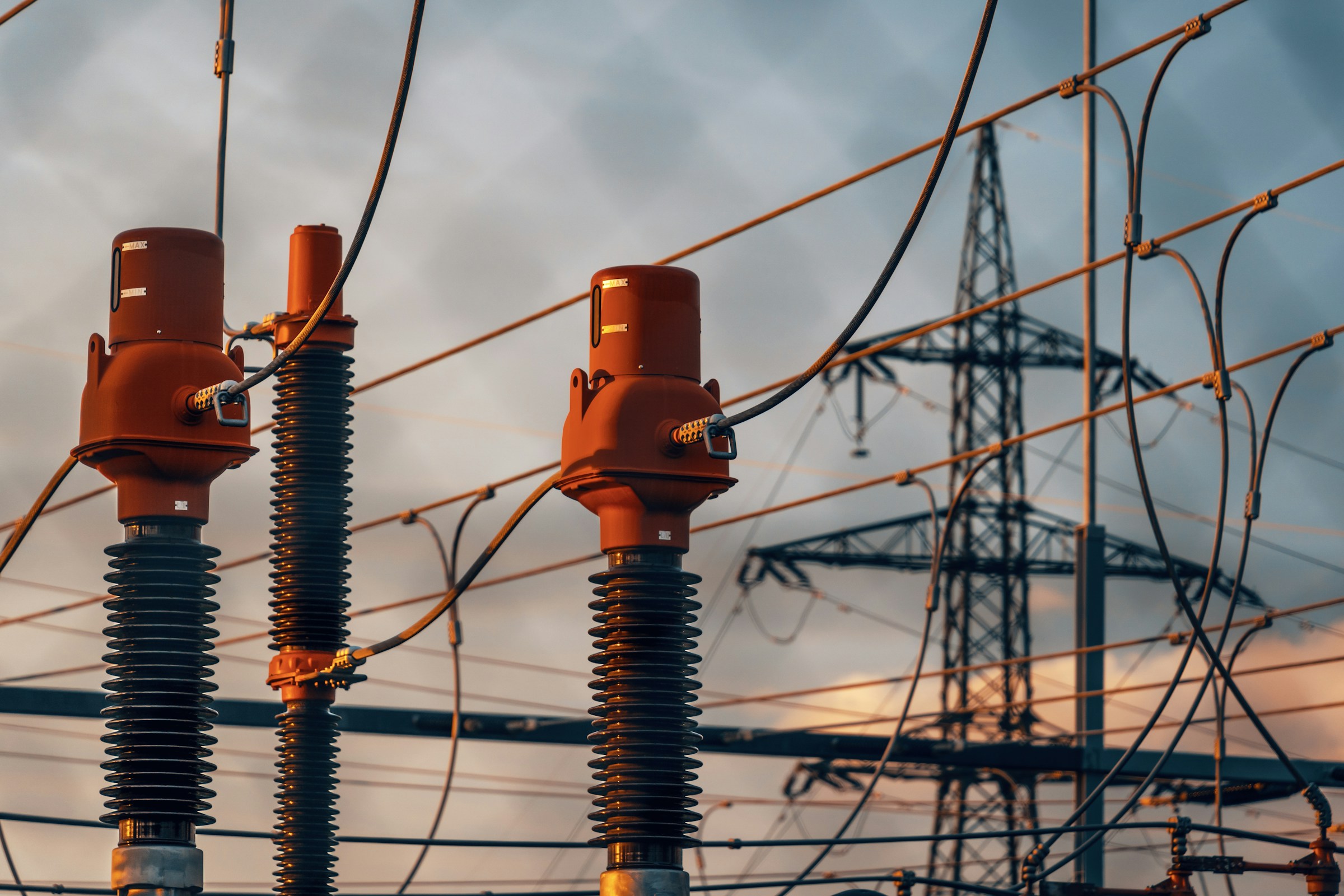
Power outages can occur unexpectedly due to severe weather, equipment failures, natural disasters, or strain on the electrical grid. While short interruptions may be inconvenient, extended outages can affect safety, comfort, communication, and access to essential resources. For this reason, many homeowners and businesses are investing in generators as part of their emergency preparedness plans.
Choosing the right generator requires careful consideration of power needs, fuel options, portability, and intended use. Understanding these factors can help ensure that the selected generator provides reliable support when it is needed most.
Why Emergency Preparedness Matters
Emergency preparedness involves more than simply storing food and water. Maintaining access to electricity is a critical component of any preparedness strategy. Modern households rely on power for refrigeration, heating and cooling systems, communication devices, lighting, medical equipment, and internet connectivity.
During an outage, a generator can help keep essential appliances and systems operational. This reduces disruption, improves safety, and allows families to maintain a greater sense of normalcy during challenging situations. Businesses also benefit from emergency power solutions, as generators can help prevent downtime, protect sensitive equipment, and maintain customer service during power interruptions.
Understanding Generator Types
Before purchasing a generator, it is important to understand the primary categories available:
- Portable Generators
Portable generators are among the most common emergency power solutions. They can be moved as needed and are typically used to power selected appliances, tools, or equipment during an outage. These generators are often suitable for homeowners seeking a flexible and cost-effective backup power option. Portable units are also popular for outdoor activities, construction projects, and recreational use because of their mobility.
- Inverter Generators
Inverter generators are designed to produce cleaner and more stable electricity, making them ideal for sensitive electronics such as computers, smartphones, and televisions. They are often quieter and more fuel-efficient than traditional portable generators, making them a popular choice for residential users. Many inverter models also feature compact designs that enhance portability and ease of storage.
- Standby Generators
Standby generators are permanently installed and connected directly to a property’s electrical system. These systems can automatically detect power outages and begin supplying electricity within seconds. Standby generators are typically chosen by homeowners or businesses that require uninterrupted access to power and want a higher level of convenience and protection.
Determining Your Power Requirements
One of the most important steps when selecting a generator is calculating power requirements. Different appliances and systems require varying amounts of electricity to operate. Homeowners should identify which devices they consider essential during an outage. Common priorities include refrigerators, freezers, lighting, heating and cooling equipment, internet routers, and medical devices. Businesses may need to account for computers, servers, security systems, and operational equipment. Choosing a generator with sufficient capacity helps prevent overloads while ensuring critical systems continue functioning effectively.
Considering Fuel Options
Generators are available with several fuel sources, including gasoline, propane, natural gas, and diesel. Each option offers unique advantages depending on individual circumstances.
Gasoline-powered generators are widely available and often less expensive initially, while propane offers longer storage life and cleaner operation. Natural gas generators can provide a continuous fuel supply when connected to utility lines, while diesel generators are known for durability and performance in demanding applications. Evaluating fuel availability during emergencies can help determine the most practical solution.
Evaluating Reliability and Features
Modern generators include a variety of features designed to improve performance and user experience. Electric start systems, fuel gauges, multiple outlet options, low-oil shutdown protection, and remote monitoring capabilities can enhance convenience and reliability.
Durability is also an important consideration. Investing in a quality generator from a reputable manufacturer can provide long-term value and dependable performance during emergencies. Homeowners researching backup power options may consider exploring buildthepower’s range of Firman generators, which includes portable and inverter models designed to support a variety of residential and recreational power needs.
Preparing for Generator Use
Owning a generator is only part of an effective emergency preparedness plan. Regular maintenance, proper fuel storage, and safe operating procedures are essential for reliable performance. Users should familiarize themselves with manufacturer guidelines and test their generators periodically to ensure they remain ready for use. Proper preparation can help prevent unexpected issues when emergency power is needed most.
Conclusion
Choosing the right generator is an important step in building a comprehensive emergency preparedness strategy. By carefully evaluating power requirements, fuel options, portability, and reliability, homeowners and businesses can select a solution that provides dependable support during outages.
A well-chosen generator can help maintain comfort, safety, and access to essential services when unexpected disruptions occur, making it a valuable investment in long-term preparedness and peace of mind.