
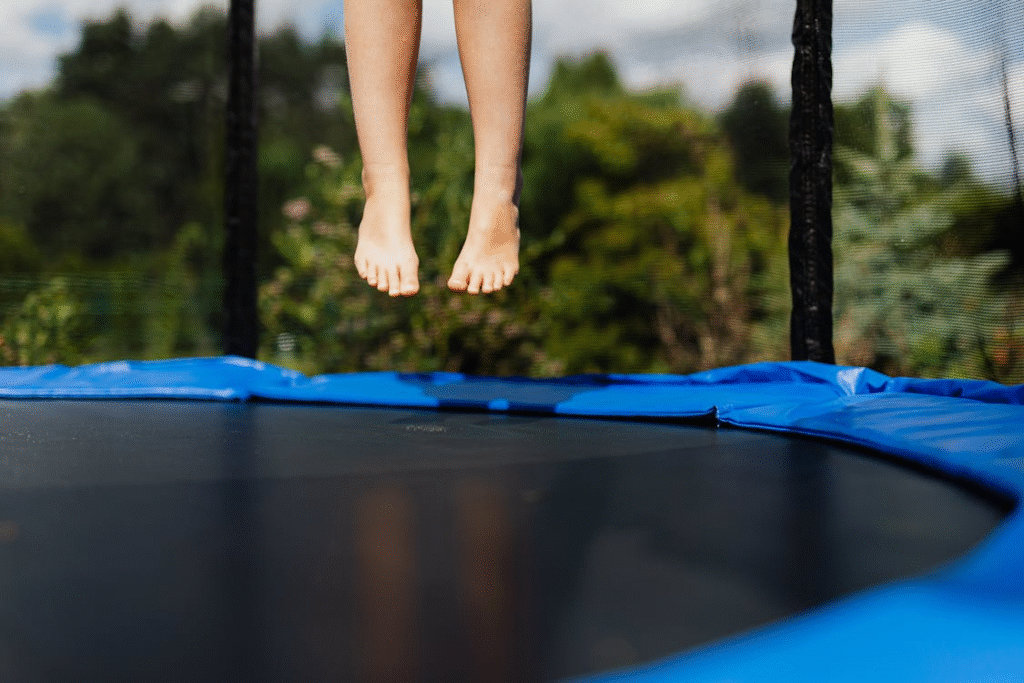
Home fitness has evolved far beyond basic yoga mats and resistance bands. Today, compact equipment that delivers real results is driving the shift toward smarter, more sustainable workouts. One standout option gaining attention is the rebounder trampoline, a simple tool with surprisingly powerful benefits.
Whether you’re looking to improve cardio endurance, protect your joints, or make daily exercise more enjoyable, choosing the right rebounder matters. Understanding key features before buying helps ensure you invest in a model that supports your goals, space, and long-term consistency.
Why a Rebounders Trampoline Actually Works
Before jumping into specs and price tiers, it helps to understand why this compact piece of equipment delivers such impressive results. A well-designed rebounder combines controlled resistance with low-impact movement, allowing you to engage multiple muscle groups while reducing stress on joints.
Quality rebounders typically feature durable steel frames and flexible suspension systems that create a smooth, responsive bounce. This balanced design supports consistent workouts, improves stability, and makes it easier to build a sustainable fitness routine that fits naturally into everyday life.
Real Cardio. Tiny Footprint.
A mini trampoline for exercise isn’t just leg day in disguise. Every single bounce engages your core, stabilizer muscles, and lower body simultaneously, creating an efficient full-body cardio workout.
Research from the American Council on Exercise found that participants burned an average of 12.4 calories per minute during structured rebounder sessions, comparable to running at six miles per hour. That’s impressive performance from equipment compact enough to fit comfortably in a small home space.
Your Joints Will Thank You
The mat absorbs a significant portion of landing impact, helping reduce pressure on knees, ankles, and hips compared to hard-surface workouts. This makes a rebounders trampoline especially helpful for adults easing back into exercise, managing mild joint sensitivity, or looking for a lower-impact cardio option that still feels effective.
Bonus: Lymphatic Flow and Bone Strength
The rhythmic vertical movement doesn’t just support cardiovascular activity, it may also help stimulate lymphatic circulation, which plays a role in maintaining fluid balance in the body. Consistent, low-impact bouncing can also contribute to maintaining bone strength, particularly for adults seeking alternatives to higher-impact exercises.
It’s Actually Fun. Seriously.
One of the most overlooked advantages is how enjoyable the experience feels. A fitness trampoline for home adds variety to workouts, helping reduce boredom and improve long-term consistency. When exercise feels engaging rather than repetitive, it becomes easier to stay committed and build a routine that lasts.
Your Buying Checklist, Before You Spend a Dollar
What Are You Actually Trying to Do?
Weight loss? Rehab? Senior fitness? HIIT? Your goal completely changes what you need. Someone shopping for the best rebounder for seniors needs stability, a handlebar, and a gentle bounce, very different priorities from someone chasing high-intensity interval rounds.
Does Your Space Actually Work?
Measure your ceiling height. Not just the floor space, overhead clearance for arm raises matters more than people expect. If storage is tight, a foldable rebounder trampoline solves that problem cleanly, letting you slide it away post-session without sacrificing workout quality. For a dedicated home gym corner though, fixed-leg designs hold up better long-term.
Set a Budget You Can Live With
Entry-level models are fine for casual, occasional use. Mid-range? Noticeably better bounce, better durability, better value for consistent workouts. Premium models are genuinely worth it if you’re bouncing daily, carrying extra weight, or managing joint conditions that need proper support. Don’t cheap out on your joints.
Size, Shape, and Frame, It’s Not Just Aesthetic
These choices directly affect how safe and effective your workouts feel. Read multiple rebounder trampoline reviews for honest feedback on real-world bounce quality and durability. The best rebounder trampoline for you specifically depends on a few overlapping factors.
| Size | Best For | Notes |
| 36″ | Light bouncing, smaller users | Compact, easy storage |
| 40″ | Most adults, cardio routines | Best balance of space and stability |
| 44–48″+ | Taller users, dynamic moves | More landing room, wider footprint |
On frames, steel thickness, weld quality, and rubber leg caps matter. Fixed screw-in legs beat folding legs for stability every time, though folding wins when storage space is scarce.
Springs vs. Bungees: Which Bounce Feels Right?
This is probably the most personal decision you’ll make. When comparing a mini trampoline vs rebounder, springs give you a firmer, snappier rebound, great for high-intensity work. Bungees deliver a softer, deeper bounce that’s quieter and much kinder on your joints. They cost a little more, but apartment dwellers and joint-conscious users nearly always prefer them.
Weight Limits, Safety Ratings, and Durability
Always pick an affordable rebounder trampoline that’s still rated at least 20–30% above your actual body weight. Here’s something most people miss, dynamic weight capacity during jumping is almost always lower than the static figure printed on the box. Look for high-grade polypropylene mats, reinforced stitching, and published test cycle data from the brand. If that info isn’t available, that’s a red flag.
Handles, Bars, and Extras Worth Considering
A rebounder with a handlebar genuinely changes the experience, especially for beginners, older adults, or anyone pushing hard at the end of a tough session. Adjustable bars set between waist and chest height offer the most versatile support. If multiple people in your household will share the equipment, removable designs are a smart call.
Safety and Medical Stuff, Don’t Skip This Section
Millions of older adults receive emergency care each year due to fall-related injuries, which highlights why stability and proper setup are so important when using a rebounder. Features like a non-slip mat, strong frame construction, and a balanced bounce help reduce unnecessary risk and support safer workouts over time.
Before each session, make sure the surrounding space is clear and the rebounder is placed on a flat, stable surface. Regularly inspect the mat, springs, or bungee cords for signs of wear, and consult a healthcare professional before starting if you are managing vertigo, pelvic floor concerns, joint conditions, or recovering from injury.
Final Word on Choosing Your Rebounders Trampoline
A rebounder trampoline may look simple, but the right choice can make a meaningful difference in how consistently and comfortably you stay active at home. From joint-friendly bungee systems to stable frames and supportive handlebars, the details you choose directly shape your workout experience and long-term results.
Take the time to match the rebounder to your goals, available space, and comfort preferences. When quality, safety, and usability come together, a rebounder can easily become one of the most reliable and enjoyable tools in your home fitness routine, helping you stay consistent without adding stress to your schedule or your joints.
Frequently Asked Questions
Are mini trampolines safe for older adults with osteoporosis or arthritis?
Generally yes, with medical clearance. Start with gentle health bouncing, use a handlebar, and go bungee for reduced impact. A quick chat with your doctor or physio before starting is always the right move.