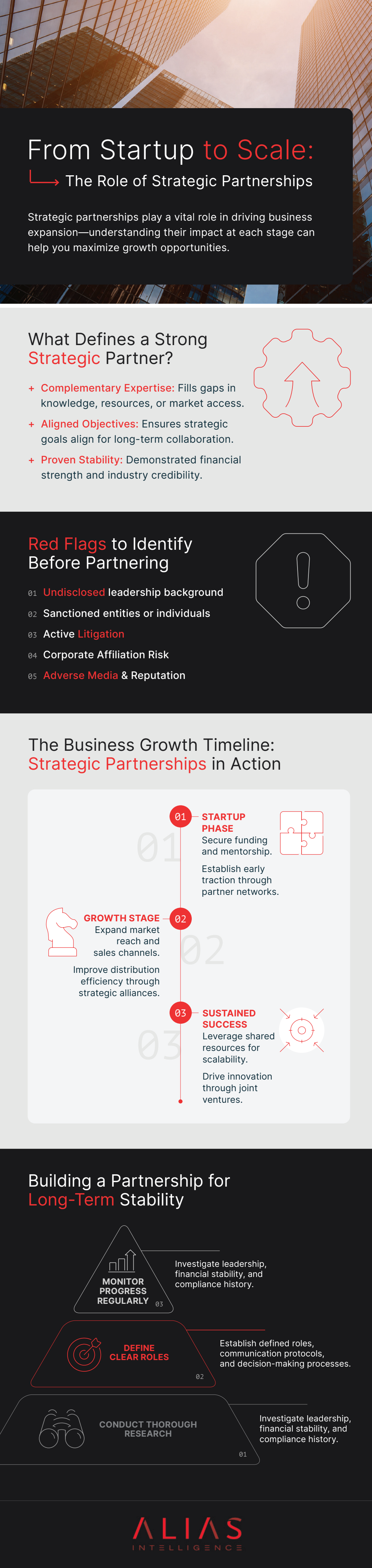
Strategic partnerships are often the quiet force behind successful business growth. While funding and product development receive plenty of attention, relationships built with the right partners can influence everything from market expansion to operational strength. As companies move from early-stage experimentation to structured scaling, these partnerships help reduce risk, accelerate growth, and fill capability gaps that internal teams cannot always cover alone.
Why Partnerships Matter in the Startup Stage
Early-stage companies face limited resources, small teams, and intense pressure to prove product viability. Partnerships at this phase help founders expand reach without overstretching budgets. Collaborations with complementary businesses, incubators, or academic institutions offer access to expertise that would otherwise take years to build internally.
Startups also benefit from brand association. Working with established organizations lends credibility that helps win customer trust. A strategic partner may provide distribution channels, pilot opportunities, or technical guidance, helping a young company refine its value proposition. The right relationship can shorten experimentation time and support a faster path to product-market fit.
Strengthening Operations as Companies Grow
As a business moves from early validation to steady growth, operational demands shift. Teams need scalable systems, stronger processes, and specialized knowledge. Strategic partners help companies build these capabilities without hiring entire departments from scratch.
For example, partnerships with logistics providers, software vendors, or specialized consultants allow mid-stage companies to streamline operations while maintaining flexibility. Companies that rely on supply chains or manufacturing relationships often improve efficiency by sharing data or co-developing processes that support higher production volumes.
Financial and legal partners also play a bigger role during this phase. Banks, advisors, and due diligence firms help companies evaluate risks, explore acquisitions, and build internal controls that prepare them for larger opportunities. These partnerships strengthen decision-making and support responsible scaling.
Expanding Market Reach Through Shared Value
Entering new markets requires more than ambition. Regulations, cultural expectations, and customer behavior differ across regions. Strategic partnerships allow growing companies to expand with guidance rather than guesswork. Regional distributors, channel partners, or co-marketing relationships provide insight into local demand and help businesses adapt offerings effectively.
Partnerships also support innovation. Co-development agreements, joint ventures, or research collaborations expose companies to new technologies and customer segments. Rather than building every solution internally, companies benefit from shared expertise and shared risk.
How Partnerships Enable Sustainable Scaling
Sustainable growth depends on consistency, and strategic partners help businesses achieve it. Partnerships that support workforce development, community engagement, or environmental goals reinforce long-term stability. Companies that align with partners who share their values often build stronger reputations and differentiate themselves in crowded markets.
Additionally, partnerships reduce volatility. When suppliers, distributors, and service providers collaborate closely rather than operate independently, companies experience fewer disruptions. Information flows more easily, forecasting improves, and planning becomes more accurate.
For digital-first companies, partnerships with cloud providers, cybersecurity experts, or data analytics firms ensure the technical foundation keeps pace with customer demand. A business cannot scale if its infrastructure breaks under pressure, and well-chosen partners help prevent those growing pains.
Maintaining Healthy Partnerships as the Company Matures
Strategic partnerships require continuous care. Clear communication, shared goals, and mutually beneficial outcomes form the foundation of lasting collaboration. As companies grow, their needs evolve, which means partnerships must be reassessed and refined. A relationship that supported the company during early growth may need adjustments when the business becomes a larger industry player.
Companies benefit from routinely reviewing partner performance, monitoring shared metrics, and planning new initiatives together. Strong governance helps both sides maintain trust and transparency. Open dialog around expectations ensures the partnership never becomes stagnant or misaligned.
Mature companies often develop entire partnership ecosystems rather than relying on a handful of relationships. This approach diversifies support, reduces dependency risk, and encourages innovation through broader collaboration.
Strategic partnerships shape the journey from startup to scale by providing guidance, expertise, and shared strength. When chosen thoughtfully and nurtured consistently, these relationships help companies grow faster, operate smarter, and adapt confidently in an evolving marketplace. To learn more, look over the infographic below.